Women & Girls in science: spotlight on Boutaina Benyassine
Women & Girls in science: spotlight on Boutaina Benyassine
Discovering sustainable electronics: Boutaina Benyassine commitment to a circular supply chain
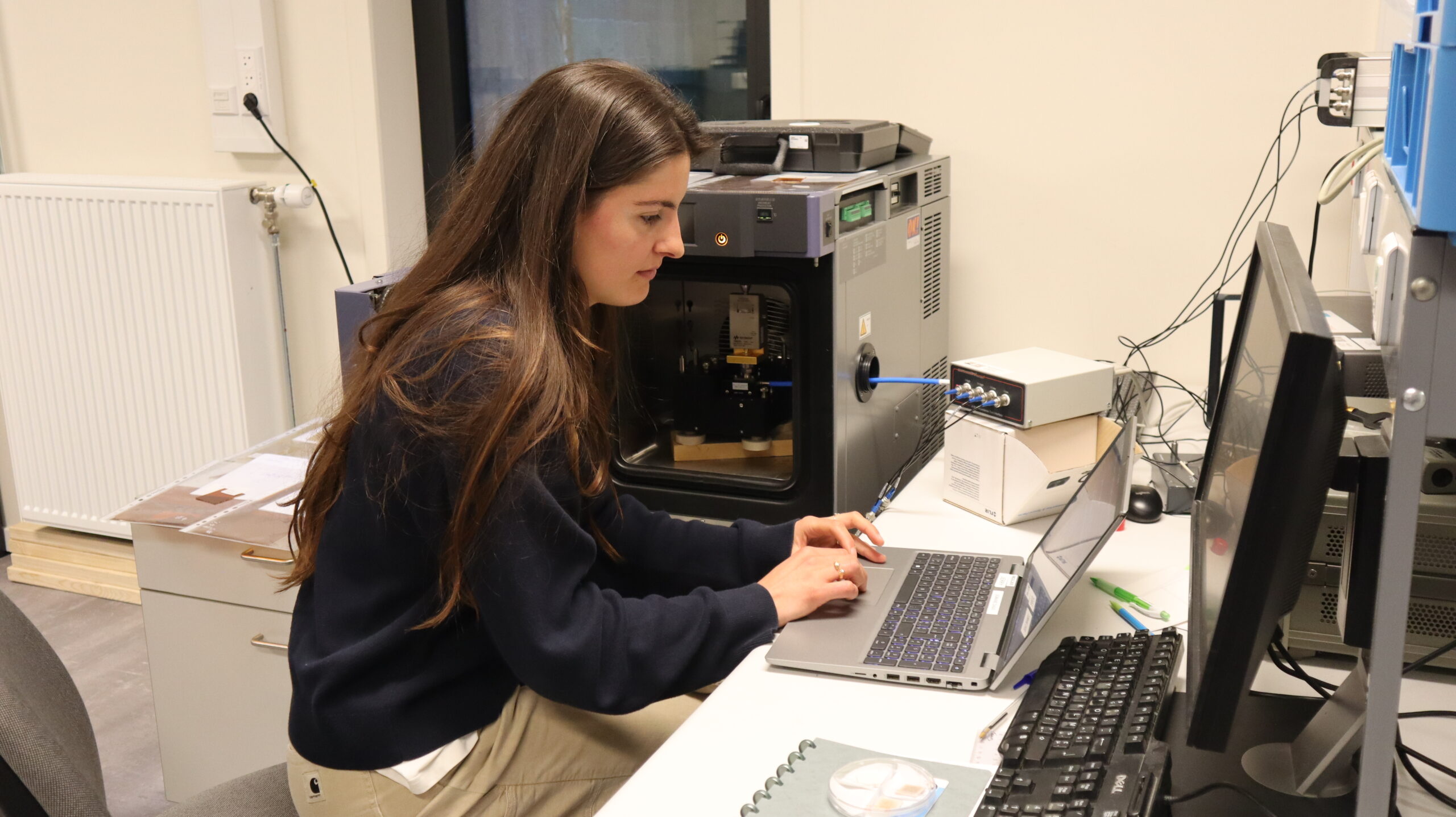
To celebrate the International Day of Women and Girls in Science, we are proud to highlight the journey of Boutaina Benyassine, a young PhD researcher at Université Grenoble Alpes and member of the DESIRE4EU project. Showcasing women in science, whether in engineering, management sciences, or any other field, is essential to make their work visible and to show younger generations that scientific careers are open to everyone. Through her research on the sustainability of printed circuit board supply chains, Boutaina offers a powerful example of curiosity, determination, and impact, reminding us how important it is for girls and young women to see that they, too, can thrive in science.
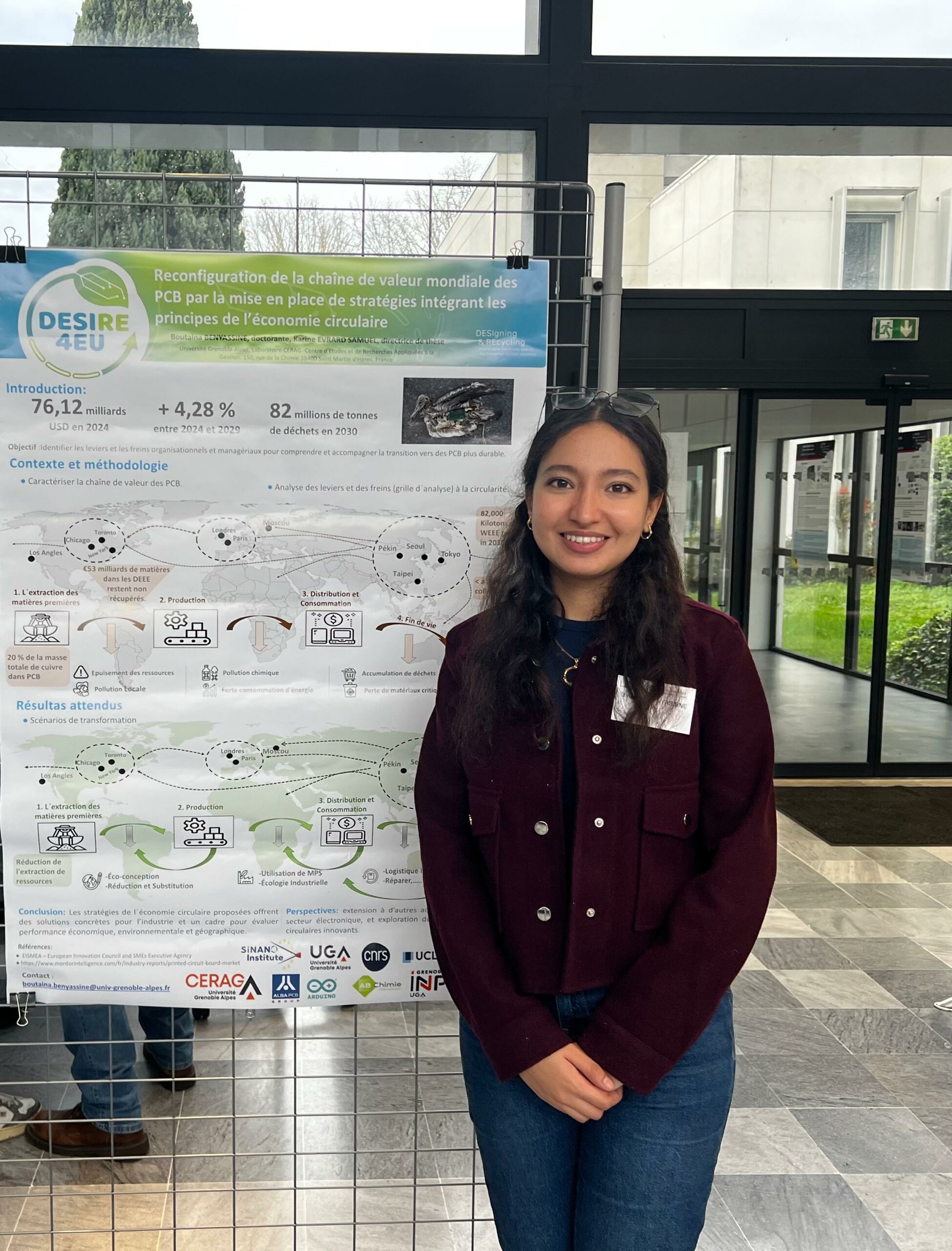
What sparked your scientific curiosity and led you toward research on sustainable PCB supply chains?
Boutaina Benyassine. Young PhD student in her first year at Université Grenoble Alpes, within the CERAG laboratory. My research area is production supply chain and logistics, and it falls within the field of management and business sciences. I am conducting my thesis under the supervision of Karine Samuel, as part of the European project DESIRE4EU.
What sparked my scientific curiosity is the desire to understand how complex systems work and how they can be redesigned to address current environmental challenges. Today, this curiosity is reflected in my research work, which involves analyzing the supply chain of printed circuit boards (PCBs) to identify how each step of the chain can become sustainable.
“My research involves analyzing the supply chain of printed circuit boards to identify how each step of the chain can become sustainable.”
What made me want to become a scientist is the pleasure of exploring, asking questions, and understanding what lies behind this complex supply chain, as well as the desire to contribute to practical solutions for more sustainable electronics, in connection with research and the industrial world. Throughout my journey, I have been inspired by my teachers and by female scientists around me, who have shown me that with passion, rigor, and perseverance, it is possible to overcome stereotypes and fully find one’s place in scientific research.
As a young woman in science, what challenges have you faced, and how have they shaped your confidence and expertise?
Like many women in science, I have sometimes faced a lack of female representation and certain stereotypes, especially in historically male-dominated technical environments. I have found myself in meetings or research spaces where few women were present, which can create a feeling of illegitimacy or the need to constantly prove one’s abilities.
This reality has taken on a concrete dimension in the context of the European project DESIRE4EU, in which I work with my director Karine Samuel on the PCB supply chain, an important responsibility in an international project. As a girl, it was not easy to integrate into the project where the team was already formed, and even to bring knowledge that others did not master, nor to be immediately perceived as a skill to provide accurate and operational information. This experience nevertheless allowed me to strengthen my confidence in my skills, to better value my expertise and to become fully aware of the importance of my unique scientific contribution in a collaborative work.
“This experience allowed me to strengthen my confidence in my skills, value my expertise, and become fully aware of the importance of my unique scientific contribution.”
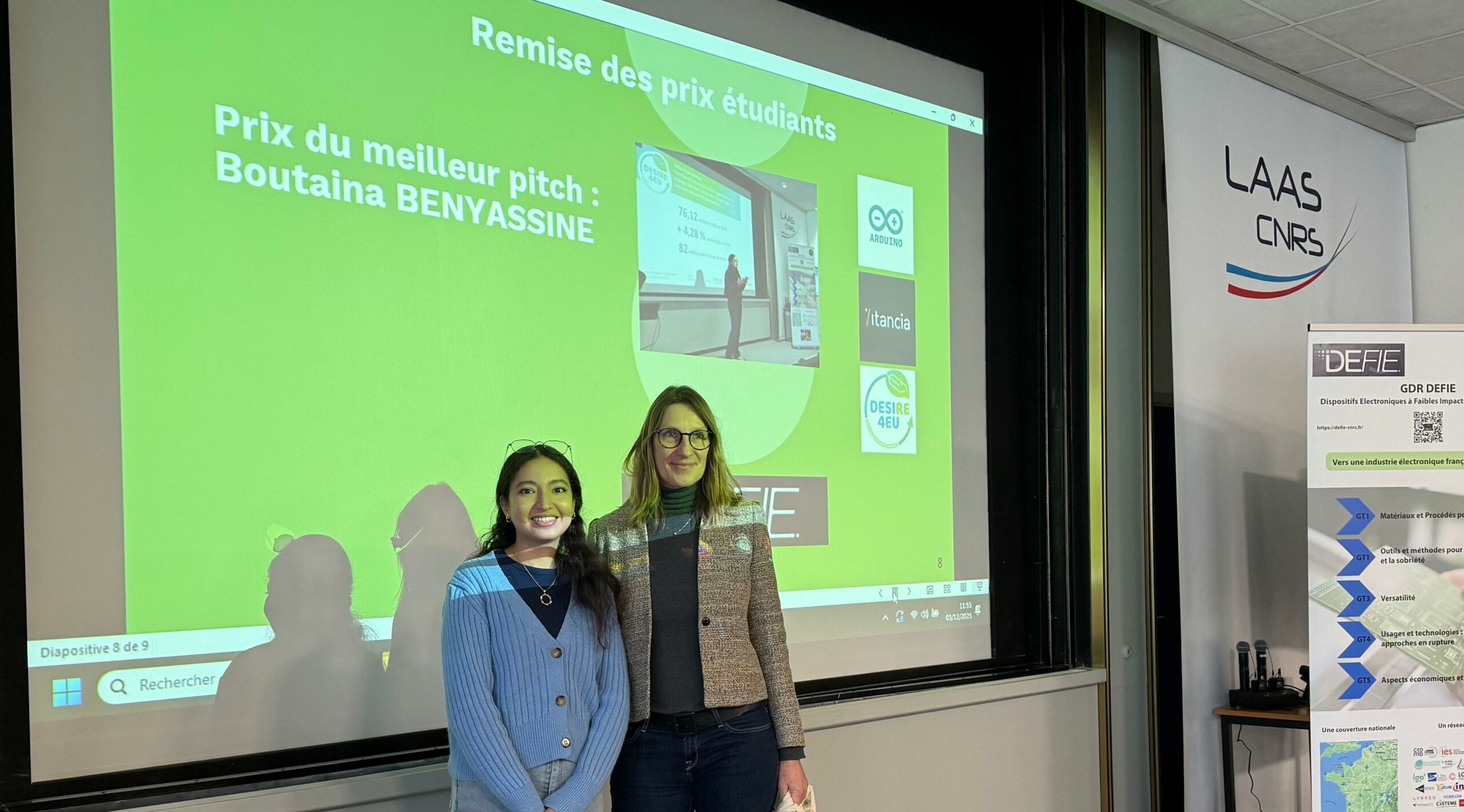
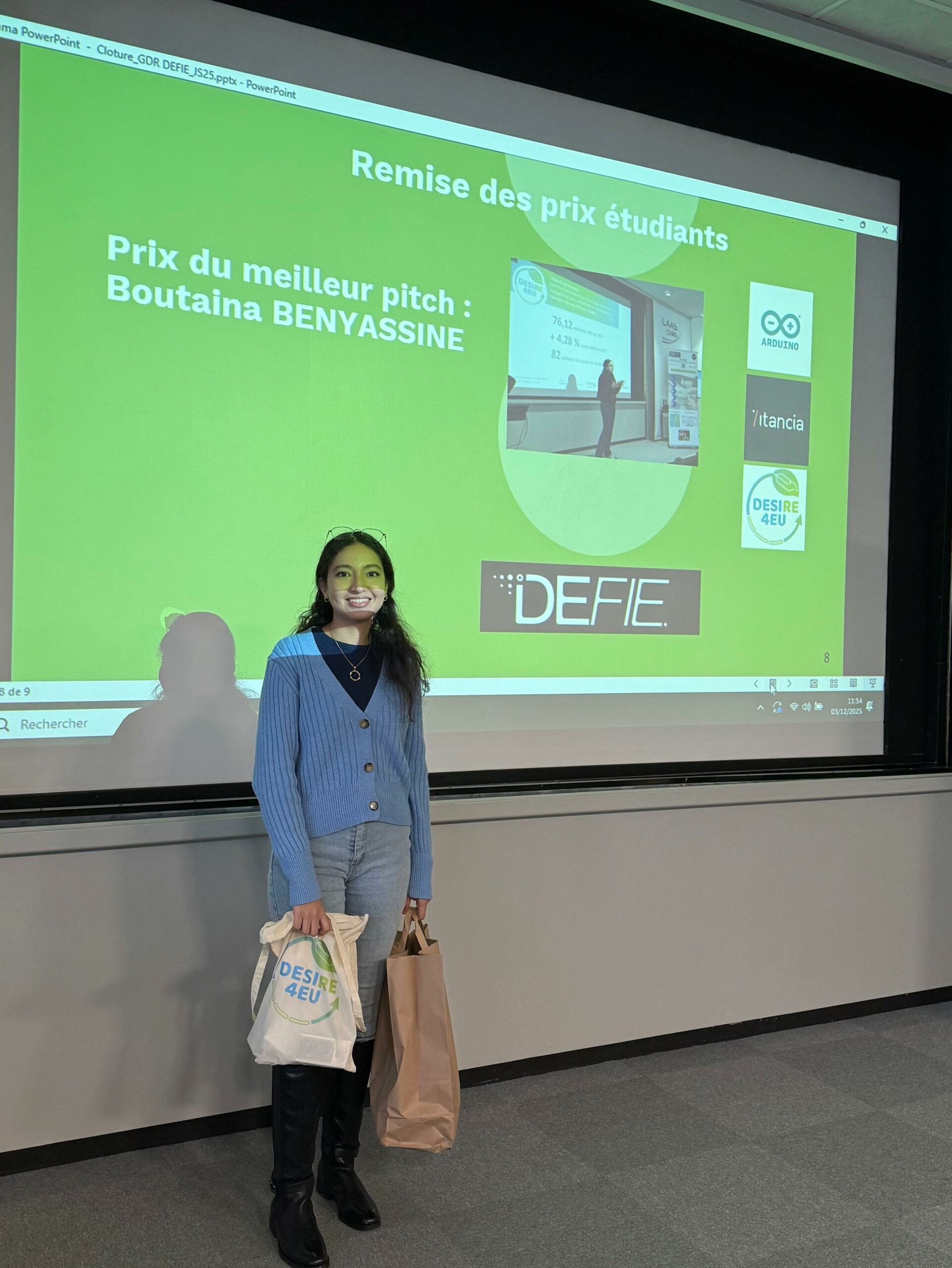
Among the proudest moments of my career, presenting my thesis work at the GDR DEFIE Scientific Days in Toulouse holds a special place. Speaking in front of a scientific community, sharing my research clearly and convincingly, and then receiving the award for the best pitch was much more than academic recognition: it was a real encouragement to continue my work and share it with enthusiasm.
This award has strengthened my legitimacy as a young researcher and resonates with the challenges previously faced in sometimes underrepresented environments. Through my journey, I have come to understand that science greatly benefits from diversity. Promoting the role of women in research means recognizing that skills, rigor, passion, ideas, and innovation are not tied to gender. The diversity of profiles is an essential asset for advancing research and addressing scientific and societal challenges.
How does your work within DESIRE4EU contribute to more sustainable electronics, and what message do you want to share with young girls?
In concrete terms, I study the entire journey of a rigid PCB, from the extraction and supply of raw materials, through the design, manufacturing and assembly stages, to its market launch, use and end of life. A PCB can contain up to 20 different materials, including critical metals, which makes it complex to recycle. This complexity contributes to the increase in WEEE waste, which could reach around 82,000 kilotonnes per year by 2030.
As part of the project, I have gained robust and solid scientific knowledge, both in terms of data and research methodology. I have developed a rigorous approach to collecting, selecting, and analyzing field data, complemented by thorough reviews of scientific literature and academic articles. This structured approach allows me not only to ground my work in a reliable scientific foundation but also to translate research findings into concrete and actionable recommendations.
It is within this continuity that I take part as an explorer at ALBA PCB in Italy, one of the partners in the European project DESIRE4EU. The aim is to analyze the real life of a PCB, its “daily routine,” its recycling issues due to the diversity of materials, its bottlenecks, and all the stages where circular economy strategies (10R, reverse logistics, eco-design…) could make a difference. This collaboration allows me to access concrete field data, enrich my research work, and develop both my scientific and practical skills.
What I appreciate most about my daily work is the ability to turn supply chain analysis into transformation scenarios, so that PCB CVM becomes circular, more resilient, profitable, and capable of facing global crises. I also enjoy participating in conferences, meetings, and scientific days, as they give me the opportunity to share my research, exchange with other researchers, present my ideas, and show my place as a young woman, to help build a more responsible and equitable future in science.
As part of the DESIRE4EU project, my work involves analyzing and visualizing the PCB supply chain to support the transition from a linear model — make, use, dispose — to a circular model, where materials are reused and better valued.
This approach helps to highlight organizational, technical, and managerial obstacles and opportunities, and to propose realistic solutions to make PCBs more environmentally responsible.
I want to show young girls and women that scientific research knows no boundaries and that their role in innovation is essential.
Even small printed circuit boards have the potential to change the world. So you, with your energy, ideas, youth, and passion, don’t hesitate to dive in: you can grow, empower yourself, and make a difference on a global scale!
“I want to show young girls and women that scientific research knows no boundaries and that their role in innovation is essential.”
To conclude:
Boutaina’s story illustrates how passion and perseverance can open paths in every scientific discipline, from hard sciences to management and social sciences. Her work within DESIRE4EU contributes to building more sustainable electronics while sending a clear message to younger generations: a scientific career is possible, accessible, and meaningful, and your ideas can help shape the future.