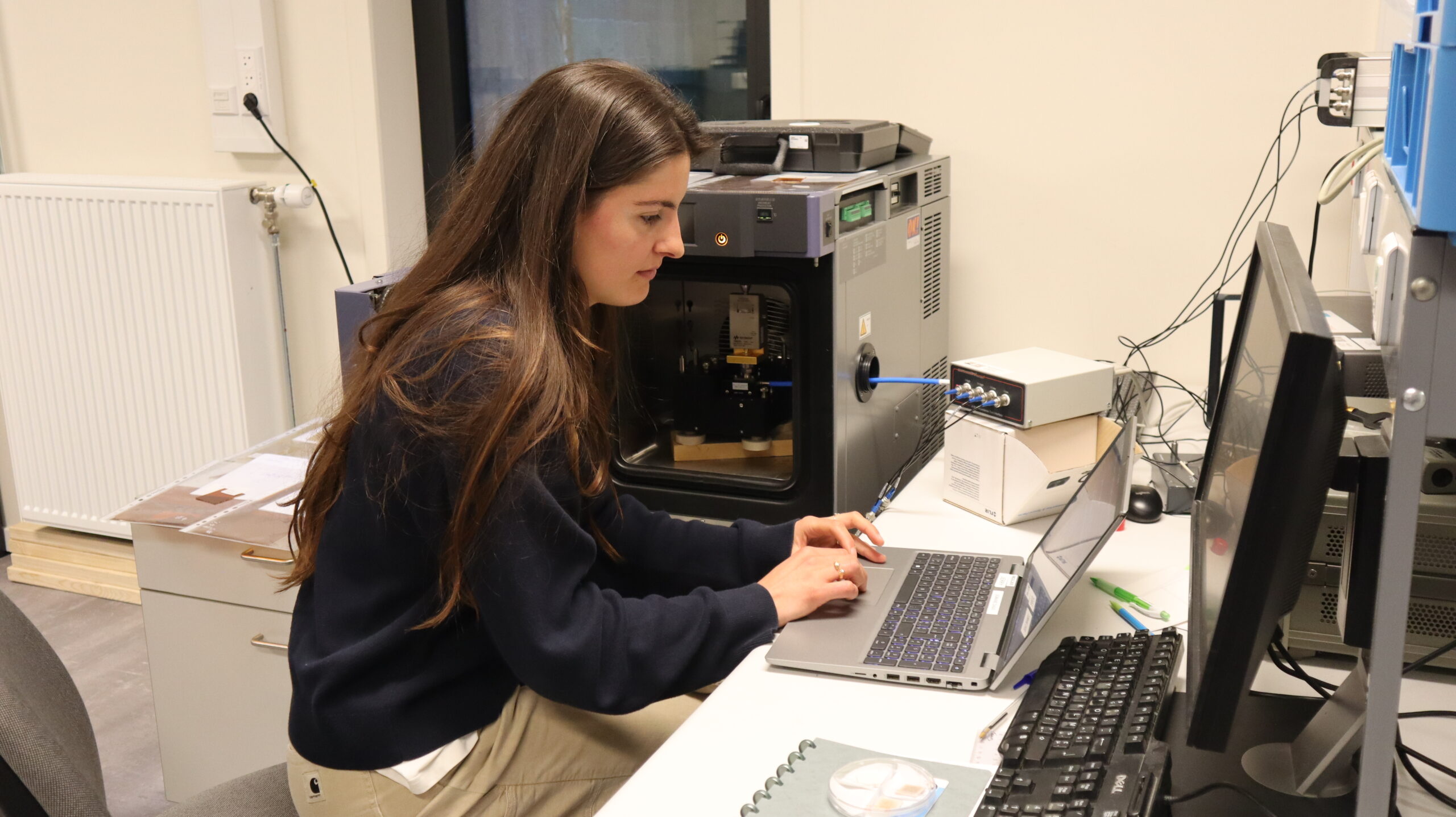
Elia Laroche: using microorganisms to rethink how we recover metals
Elia Laroche: using microorganisms to rethink how we recover metals
What if the future of electronics recycling didn’t rely only on heavy industrial processes… but also on microorganisms?
This is exactly the kind of question that drives the work of Elia Laroche, postdoctoral researcher at the G-INP. Her research sits at the crossroads of environmental microbiology, biotechnology, and circular economy, with a clear objective: finding smarter, more sustainable ways to recover metals.
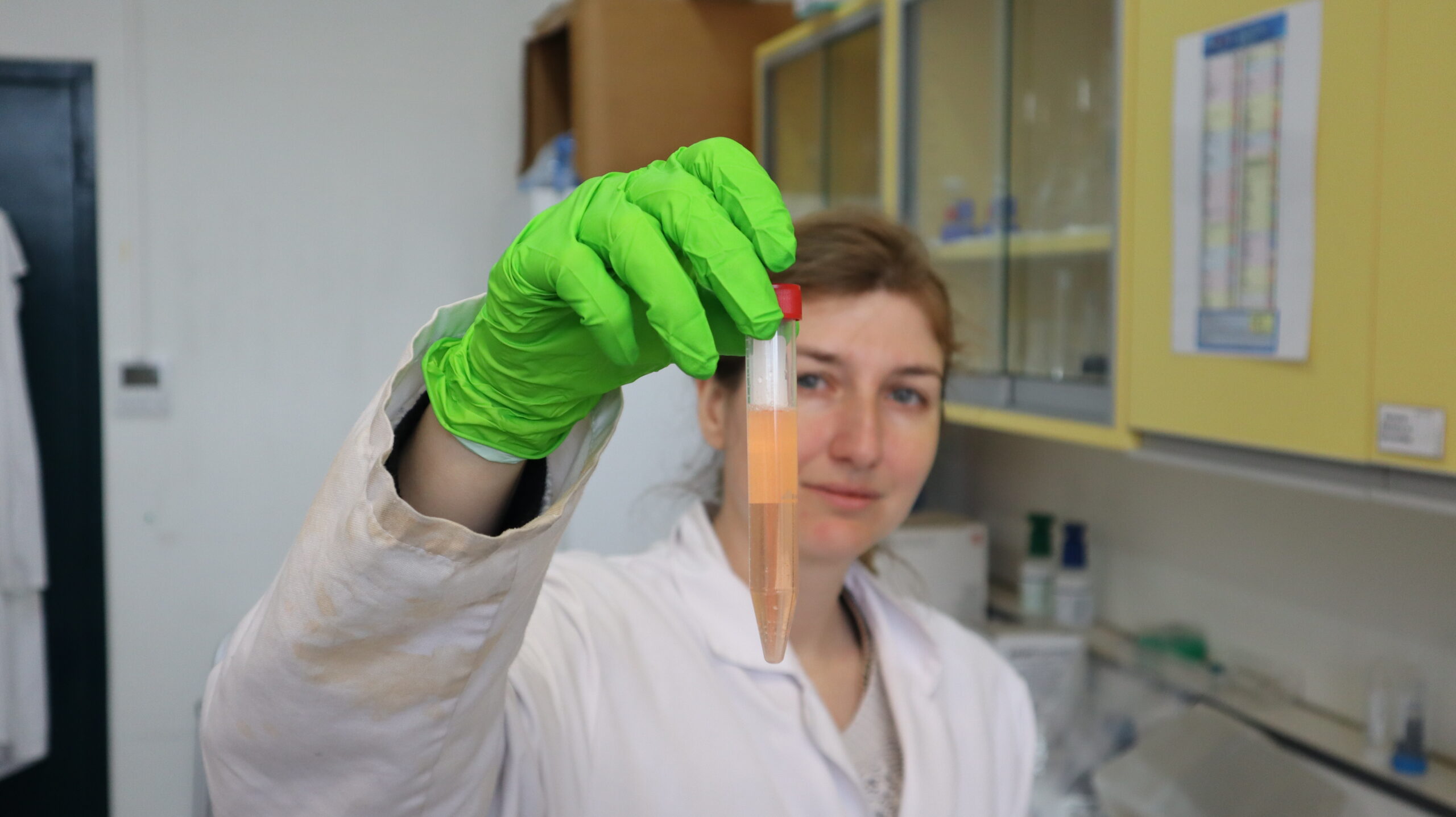
Elia specializes in using microorganisms to extract or immobilize critical and sometimes toxic metals. Over the years, she has developed a strong multidisciplinary approach, combining microbiology, molecular biology, bioinformatics, and biogeochemistry.
In practical terms, this means she studies how microbial communities behave, adapt, and can be optimized to interact with complex materials, from mining residues to electronic waste.
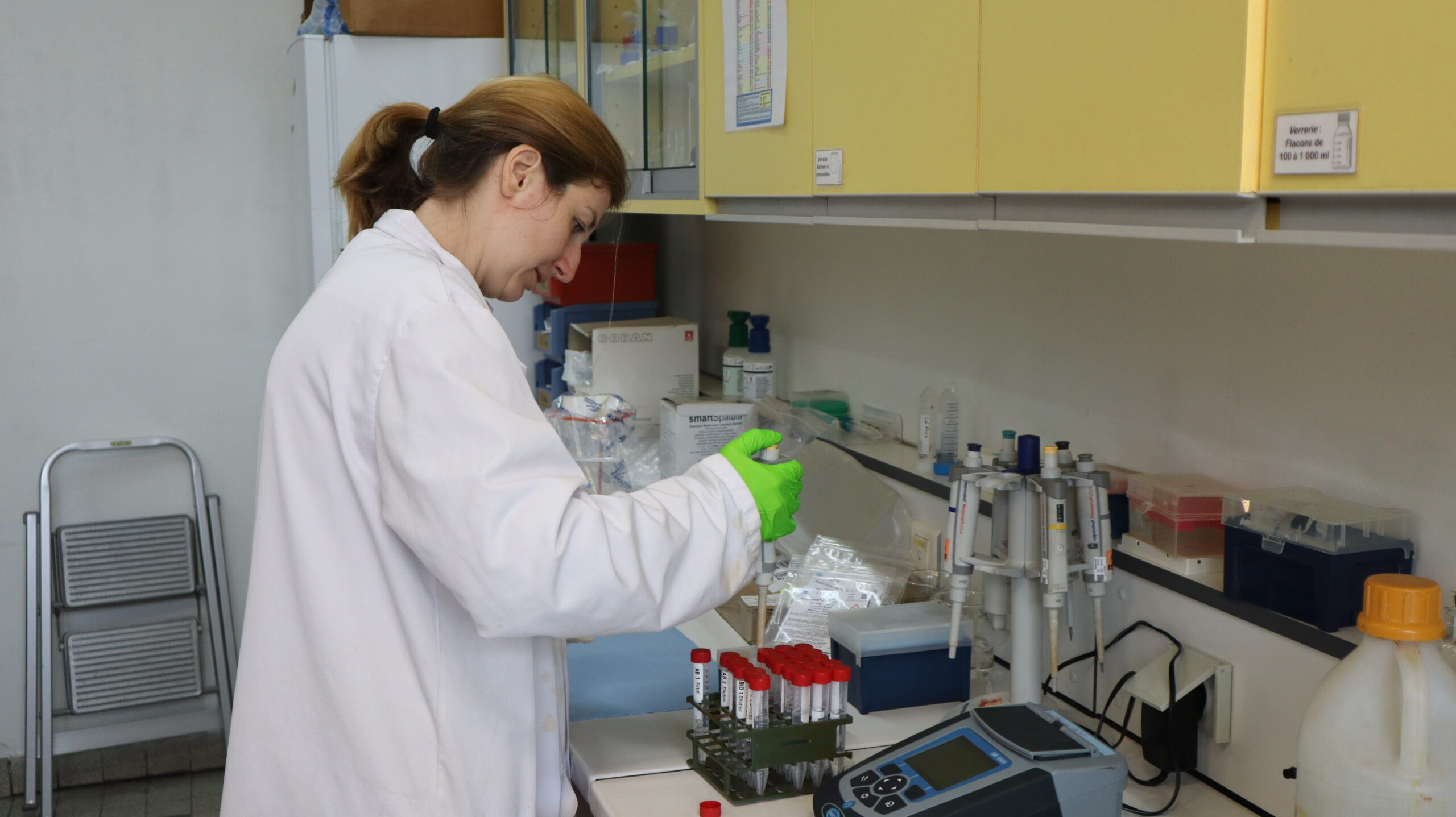
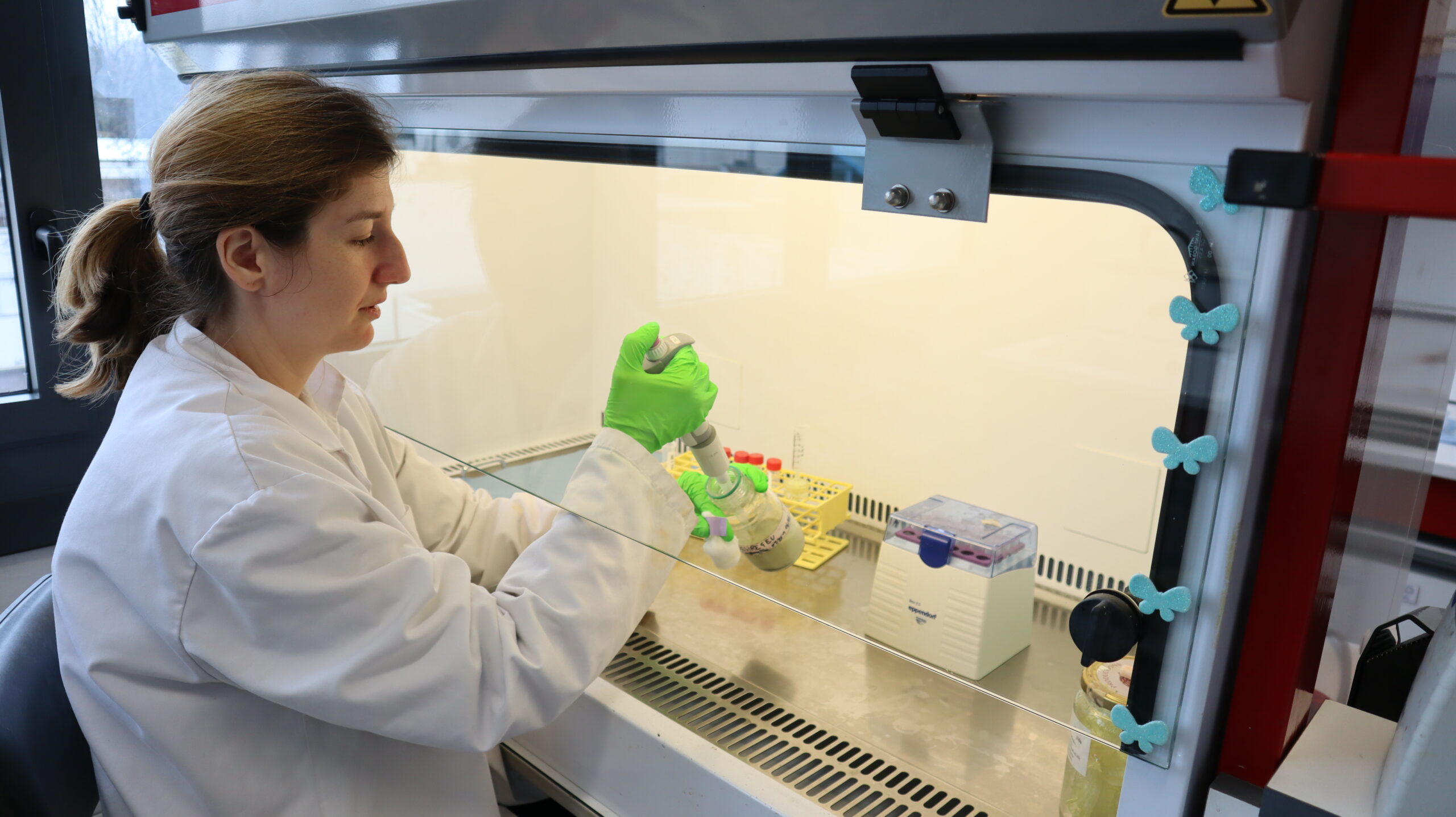
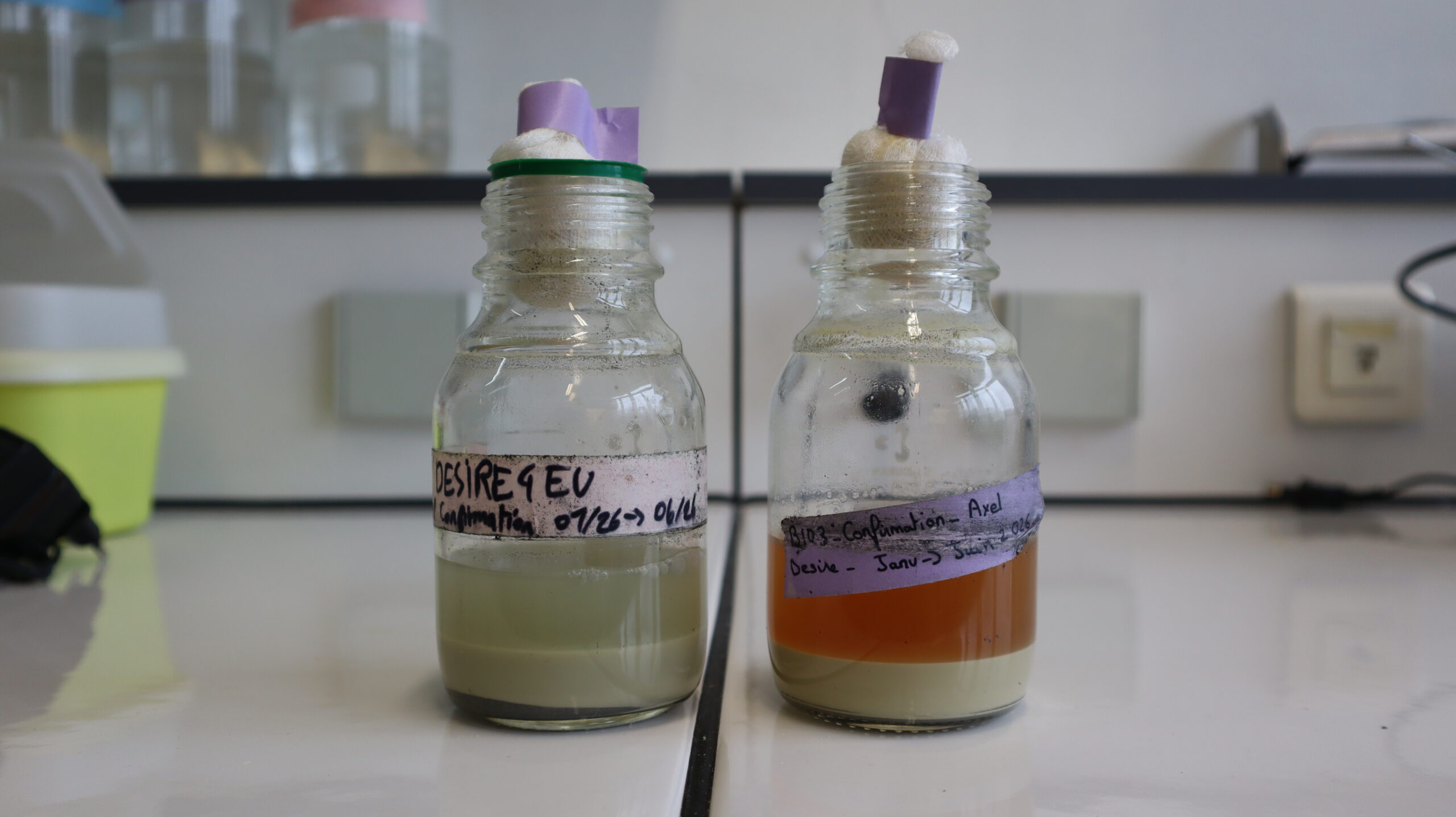
Her current research focuses on bioleaching, a process where microorganisms help extract metals from solid materials. Instead of relying solely on energy-intensive or chemically aggressive methods, bioleaching uses natural biological activity to do part of the work.
She applies this approach to different types of materials, including:
- mine tailings
- electronic waste, such as printed circuit boards
Her work is part of broader efforts, including European projects, to rethink waste as a valuable resource rather than an endpoint.
Before this, during her PhD, Elia worked on acid mine drainage, highly polluted environments containing arsenic and antimony. By studying these extreme conditions, she gained key insights into how microorganisms survive, adapt, and transform their environment.
These foundations are now essential for tackling more complex systems like electronic waste.
From microbes to electronics: her role in DESIRE4EU
Within the DESIRE4EU project, Elia brings her expertise into a very concrete challenge:
recovering metals from a new generation of bio-based printed circuit boards.
This is not just about recycling, it’s about designing electronics differently from the start.
Her work focuses on:
- understanding how metals can be extracted through bioleaching
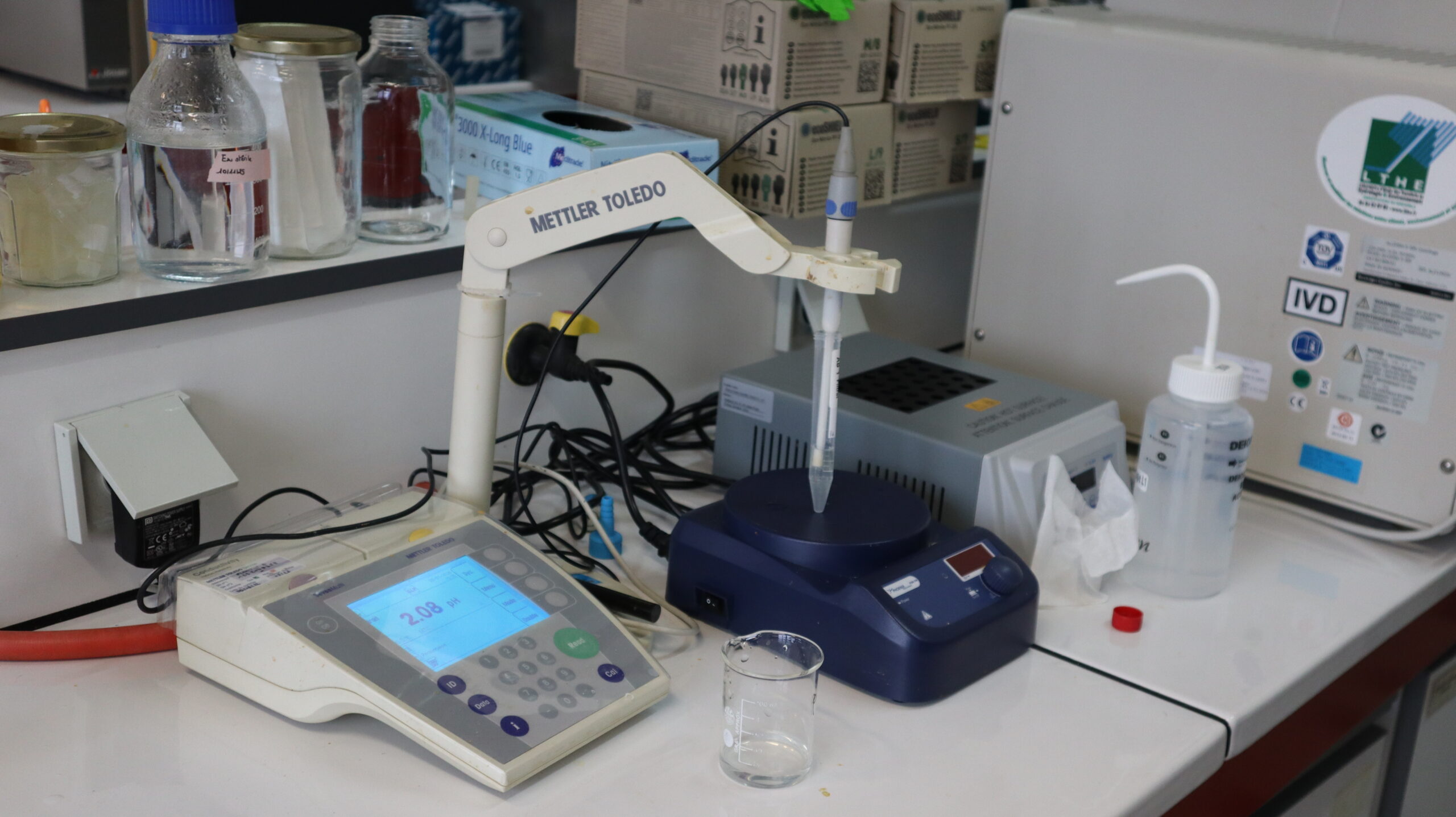
- identifying the key parameters that influence the process (pH, temperature, biological activity…)
- improving the robustness of microbial consortia when facing toxic materials
- and ensuring that the new PCB materials are compatible with living systems
Recent experiments have already shown promising results, such as the extraction of copper from biodegradable substrates.
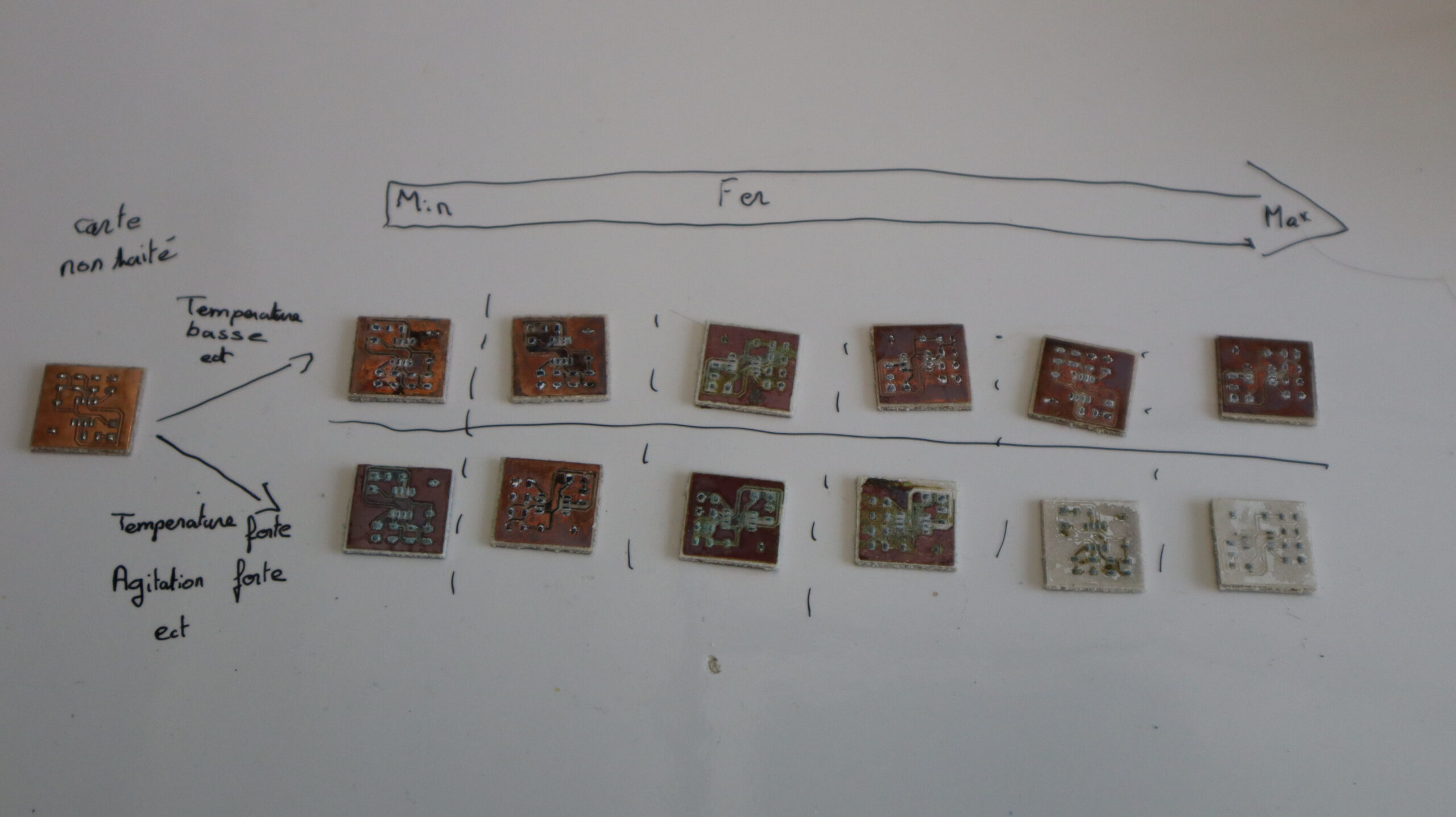
Another important aspect of her work is looking at the end of life of these materials. The goal is not only to recover valuable metals, but also to ensure that what remains is non-toxic and can safely reintegrate into the environment.
A different way of thinking about resources
Elia Laroche’s research reflects a broader shift:
- instead of extracting more, we can recover better.
- instead of treating waste, we can design for circularity.
By combining biology and electronics, her work opens the door to new, more sustainable industrial practices, where even microorganisms become key partners in innovation.