Justine Lebrun: measuring environmental impacts of electronics
Justine Lebrun: measuring environmental impacts of electronics
When we think about sustainable electronics, we often focus on new materials, innovative manufacturing processes, or recycling technologies. But how can we know if a new solution is truly better for the environment?
This is exactly the question that drives the work of Justine Lebrun, a PhD student at the Université catholique de Louvain (UCLouvain), within the ICTEAM institute (Institute of Information and Communication Technologies, Electronics and Applied Mathematics).
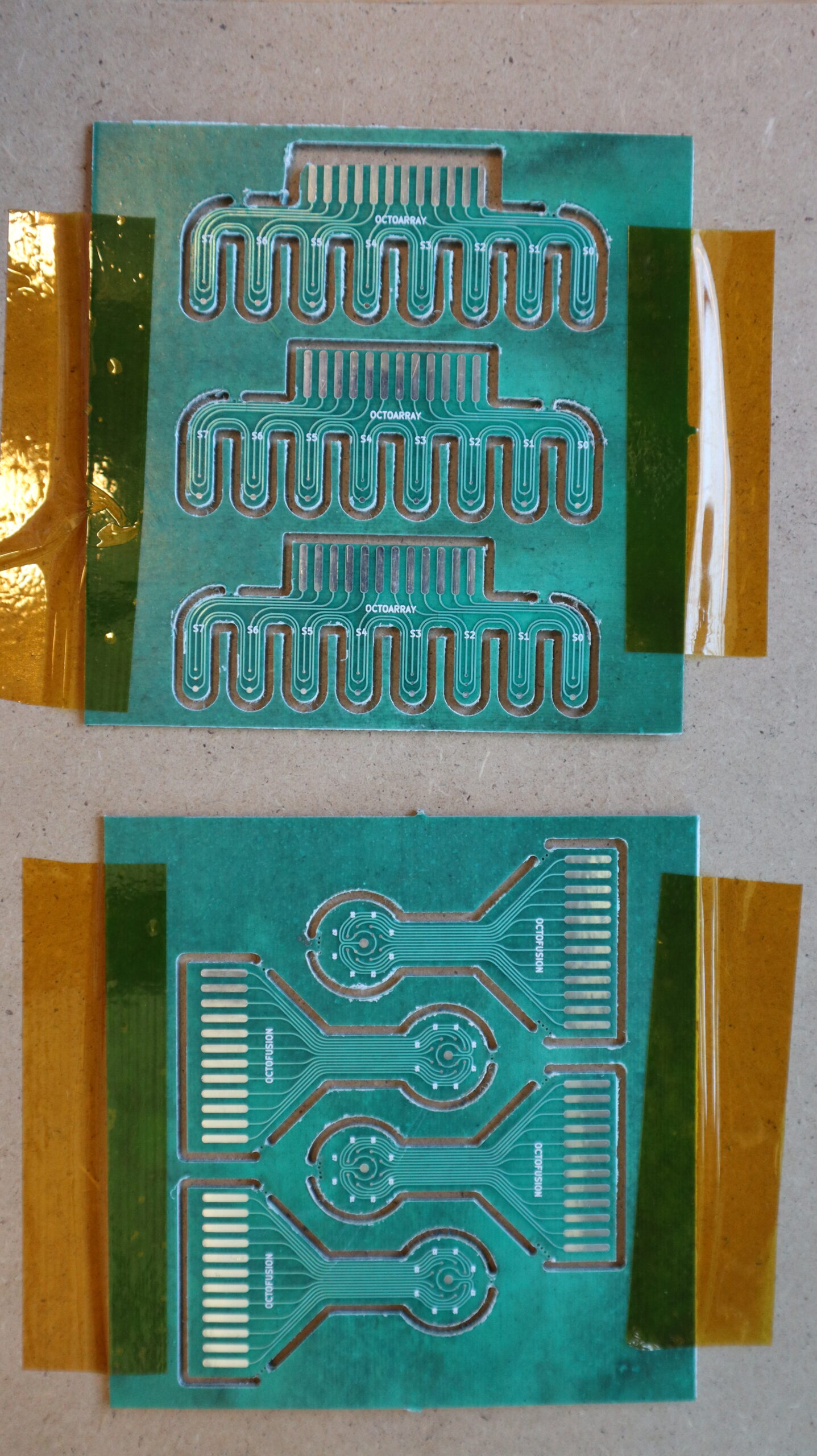
Currently in the second year of her PhD, Justine is working on the environmental assessment of printed circuit boards (PCBs) and their end-of-life strategies. Within DESIRE4EU, she focuses on evaluating the environmental performance of the project’s new bio-based PCB substrate and understanding its potential impacts throughout its entire life cycle.
From mechanical engineering to sustainable electronics
Justine’s academic journey is already an illustration of the interdisciplinary nature of DESIRE4EU.
She first completed a Master’s degree in Mechanical Engineering before moving towards electronics research for her PhD. Her master’s thesis already explored questions related to sustainability, focusing on the repairability of electronic products. Today, she continues this work from a different perspective by investigating how electronic components can be designed to reduce their environmental footprint from production to end-of-life.
“One of the reasons I enjoy working on DESIRE4EU is its interdisciplinary dimension,” she explains. “It brings together experts from very different fields who are all working toward the same objective.”
Looking at the whole life cycle
Within DESIRE4EU, Justine’s main responsibility is conducting Life Cycle Assessments (LCA) of the new bio-based PCB substrate.
Life Cycle Assessment is a method used to evaluate the environmental impacts associated with a product throughout its entire life cycle: from raw material extraction and manufacturing to use and end-of-life treatment.
To build this assessment, she combines several sources of information.
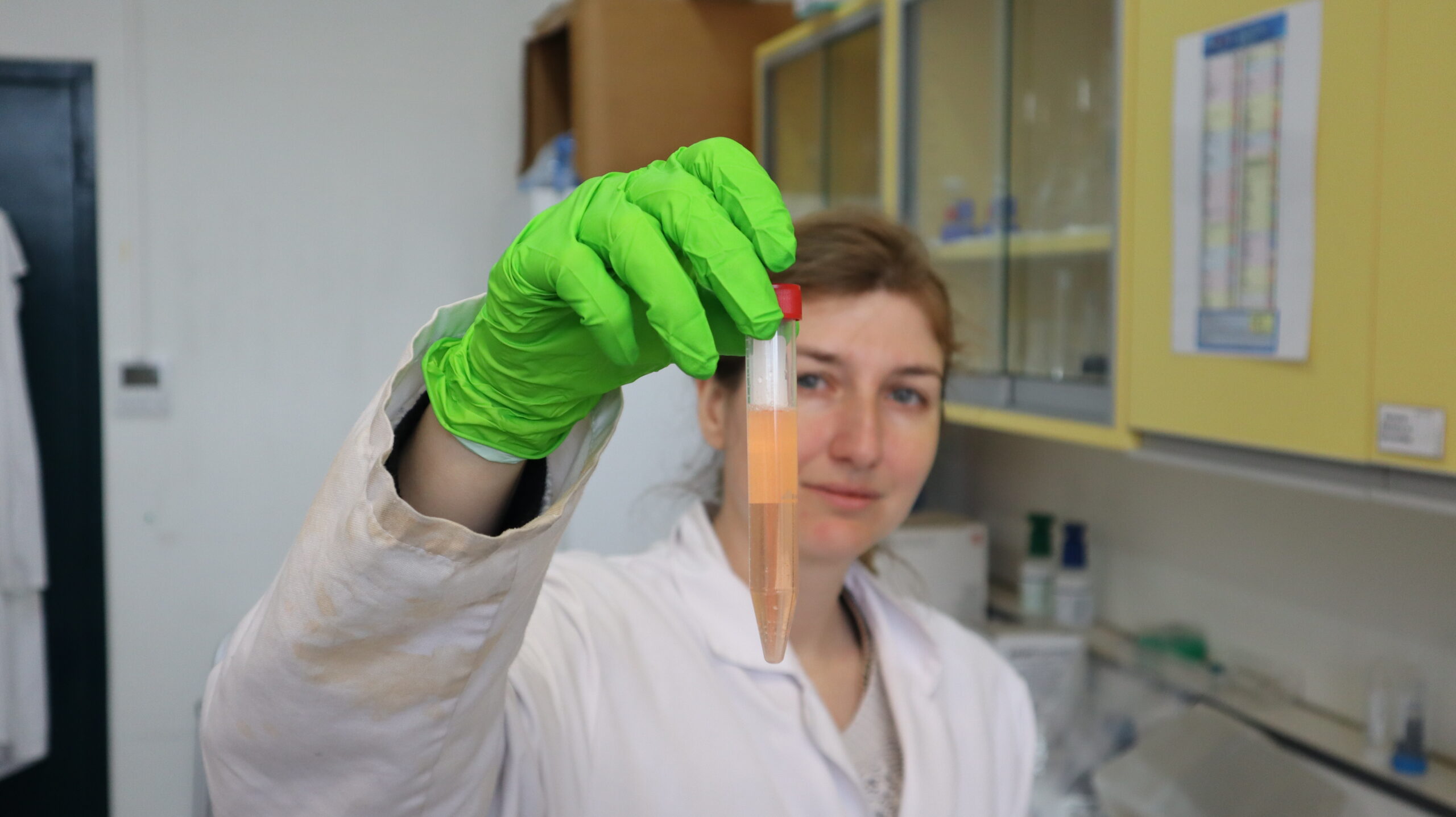
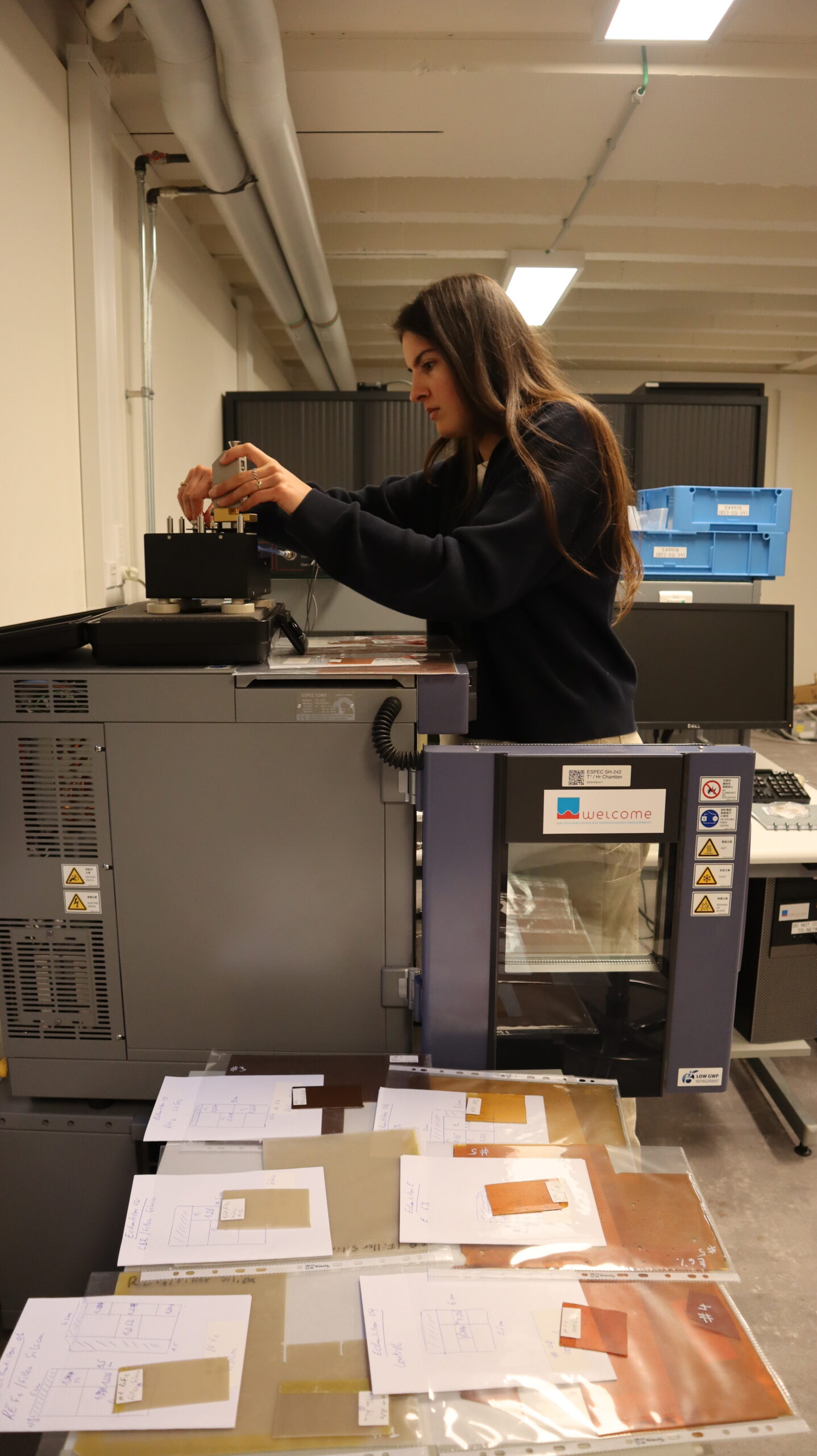
Some data come directly from project partners. For example, manufacturing information and material characteristics provided by the teams developing the substrate are essential for understanding the real production process. Other information comes from scientific literature and environmental databases such as ecoinvent, which provide background data for common industrial processes and materials. In addition, Justine performs her own analyses and characterization work on the substrate itself, helping to fill knowledge gaps and generate new data when needed.
“It is a continuous process,” she explains. “Some information comes from the consortium, some from the literature, and some from our own measurements and tests.”
Is bio-based always better?
One of the most interesting aspects of her work is that the answer is not always straightforward.
A bio-based material can certainly reduce certain environmental impacts while sometimes potentially increasing others. For example, using natural fibres such as flax reduces dependence on fossil-based resources, but it can also raise questions related to land use, agricultural practices, or water consumption.
This is precisely why a multi-criteria evaluation like Life Cycle Assessment is so important. Rather than assuming that a material is more sustainable because it is bio-based, Justine’s work aims to quantify the impacts and identify both advantages and potential trade-offs. The objective is not only to understand whether the DESIRE4EU substrate performs better environmentally, but also to identify opportunities for further improvement.
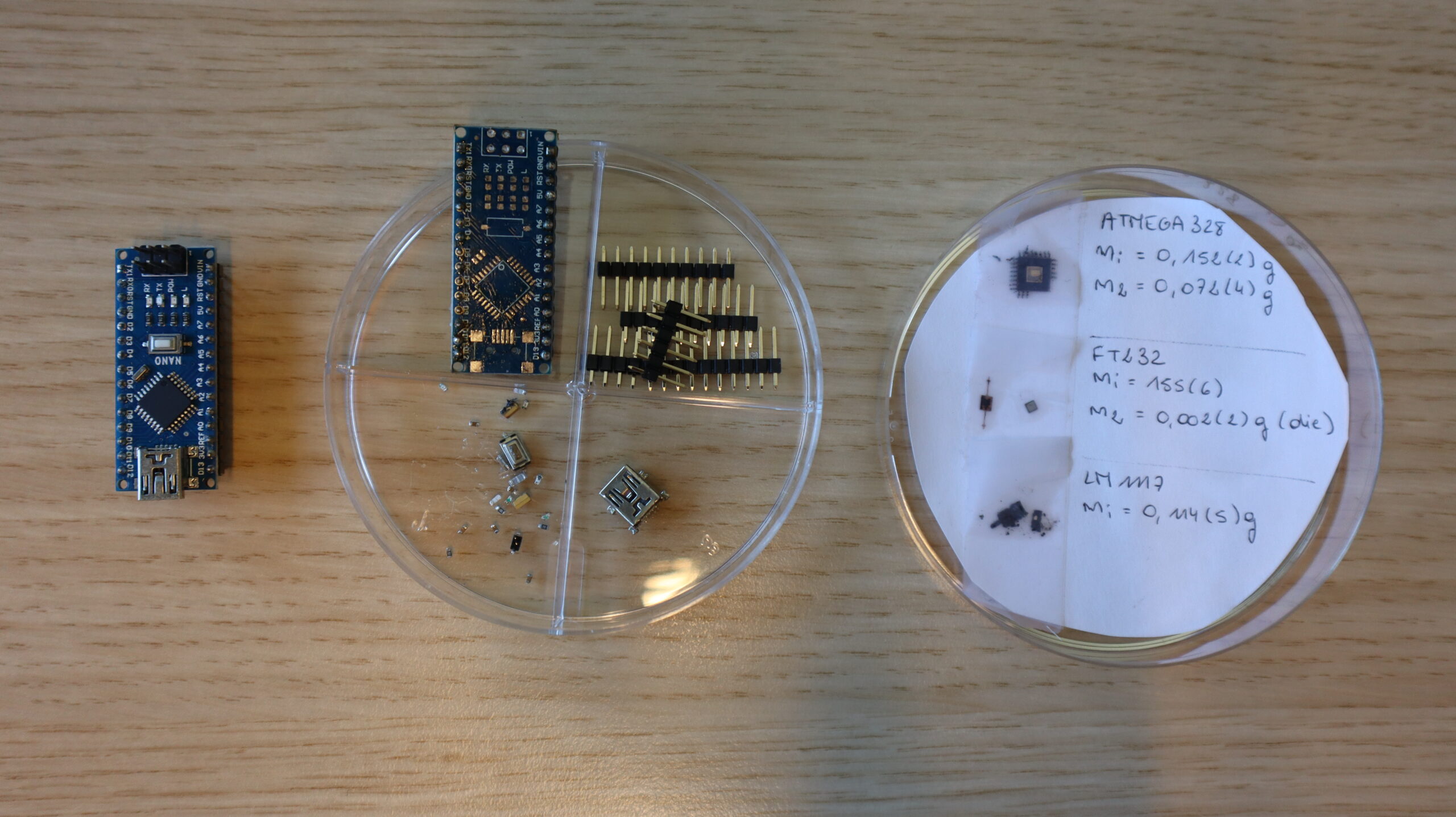
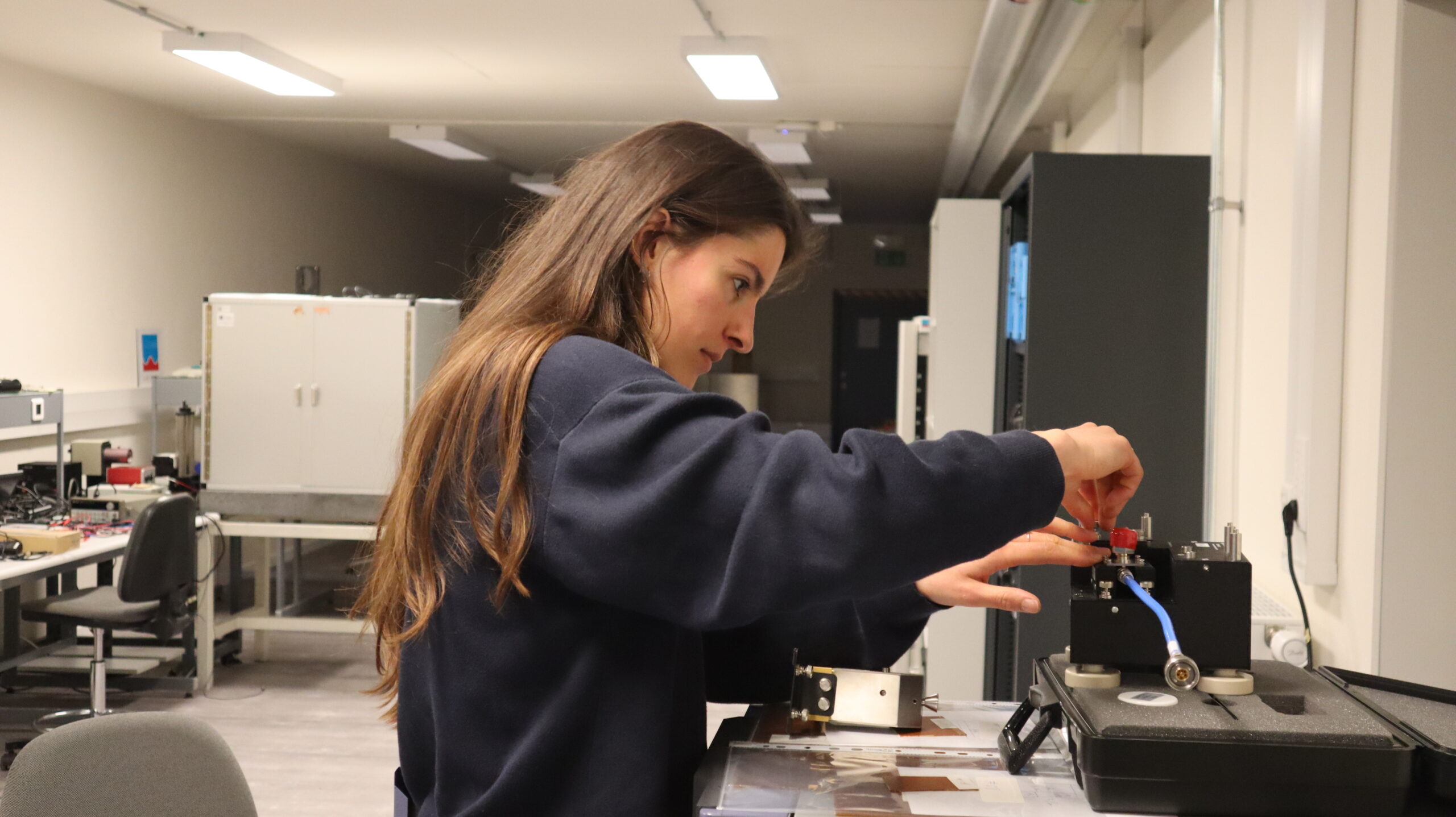
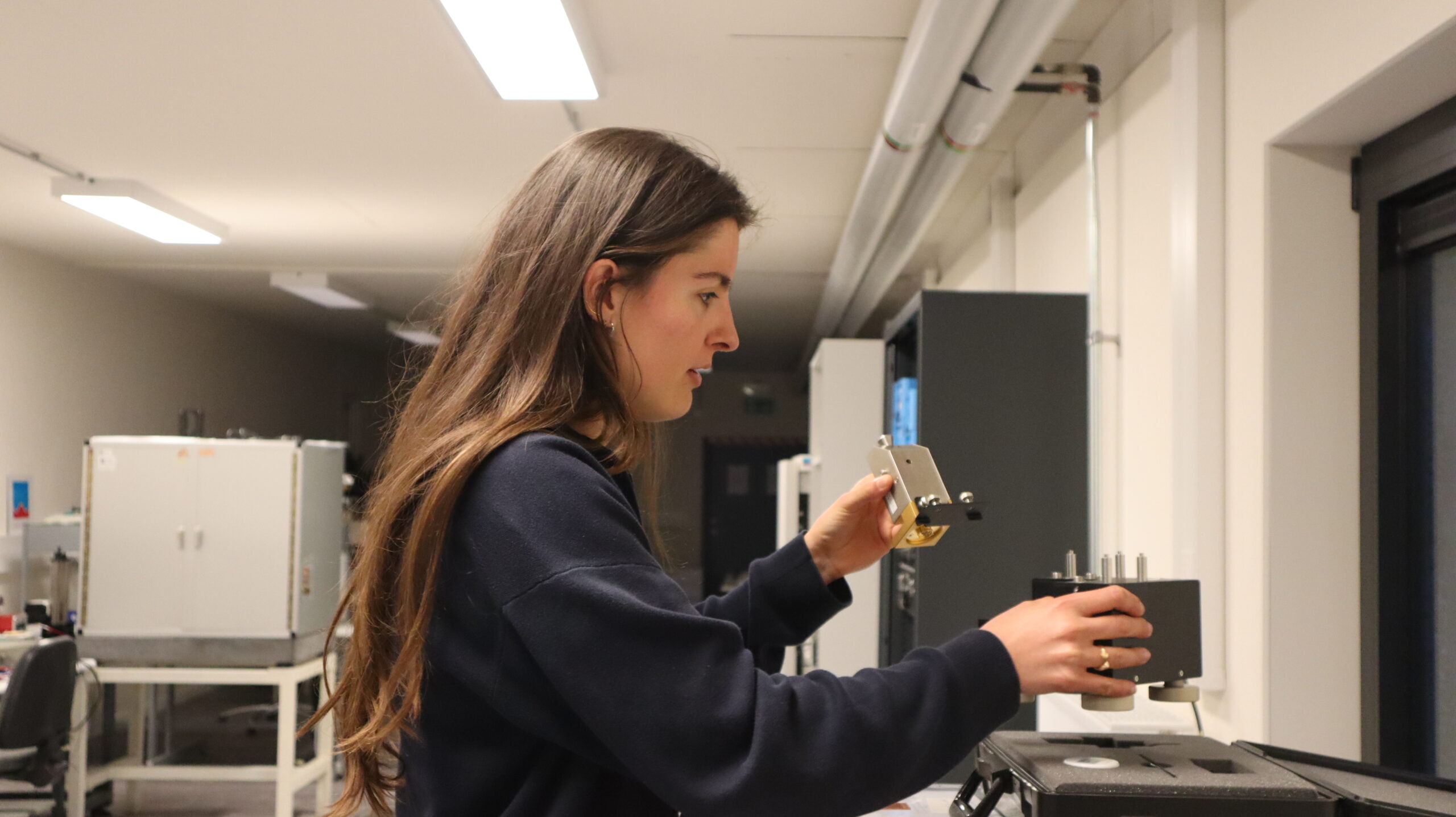
Of the most interesting and challenging questions that emerged after evaluating the bio-based composite’s environmental impacts is: how will it be used? The initial demonstrators of the substrate within DESIRE4EU successfully produced microcontroller boards, based on Arduino designs. Together with colleagues, Justine is now exploring different potential applications for this new PCB technology. Obviously, the field of applications depend on the mechanical and electrical constraints introduced by the bio-based materials, which are characterised within DESIRE4EU. Justine participates by performing measurements on the dielectric properties of the substrate. These properties have a great incidence on the final application, as they directly influence the substrate’s behaviour in high-frequency electrical fields.
By examining material substitution (replacing conventional materials with bio-based alternatives) across multiple applications, it becomes possible to identify where this innovation is most relevant and avoid burden shifting, where changes in material composition might alter use-phase conditions or reliability, potentially increasing environmental burdens in some or all impact categories.
Building the evidence behind sustainable innovation
Developing greener electronics requires more than innovative materials. It also requires reliable data and objective assessments to understand the real environmental consequences of design choices. Through her work on Life Cycle Assessment and material characterization, Justine Lebrun helps provide that evidence.
Her research contributes to one of DESIRE4EU’s central ambitions: ensuring that future electronics are not only innovative and functional but also designed with their entire life cycle in mind. As the project progresses, her analyses will play an important role in guiding decisions and measuring the environmental value of the solutions being developed.