DESIRE4EU: Adapting Bio-Sourced Materials to Existing PCB Manufacturing Lines
DESIRE4EU: Adapting Bio-Sourced Materials to Existing PCB Manufacturing Lines
The global electronics industry has relied on FR4 for half a century. In response to environmental transition imperatives, DESIRE4EU is taking on the challenge of developing a bio-sourced, high-performance and viable alternative that meets the market demands. If the ambition is not to instantly replicate fifty years of FR4 optimization, DESIRE4EU aim to open a new viable path on an industrial scale for bio-sourced PCBs.
To fit a new material for PCB into Current Production Lines
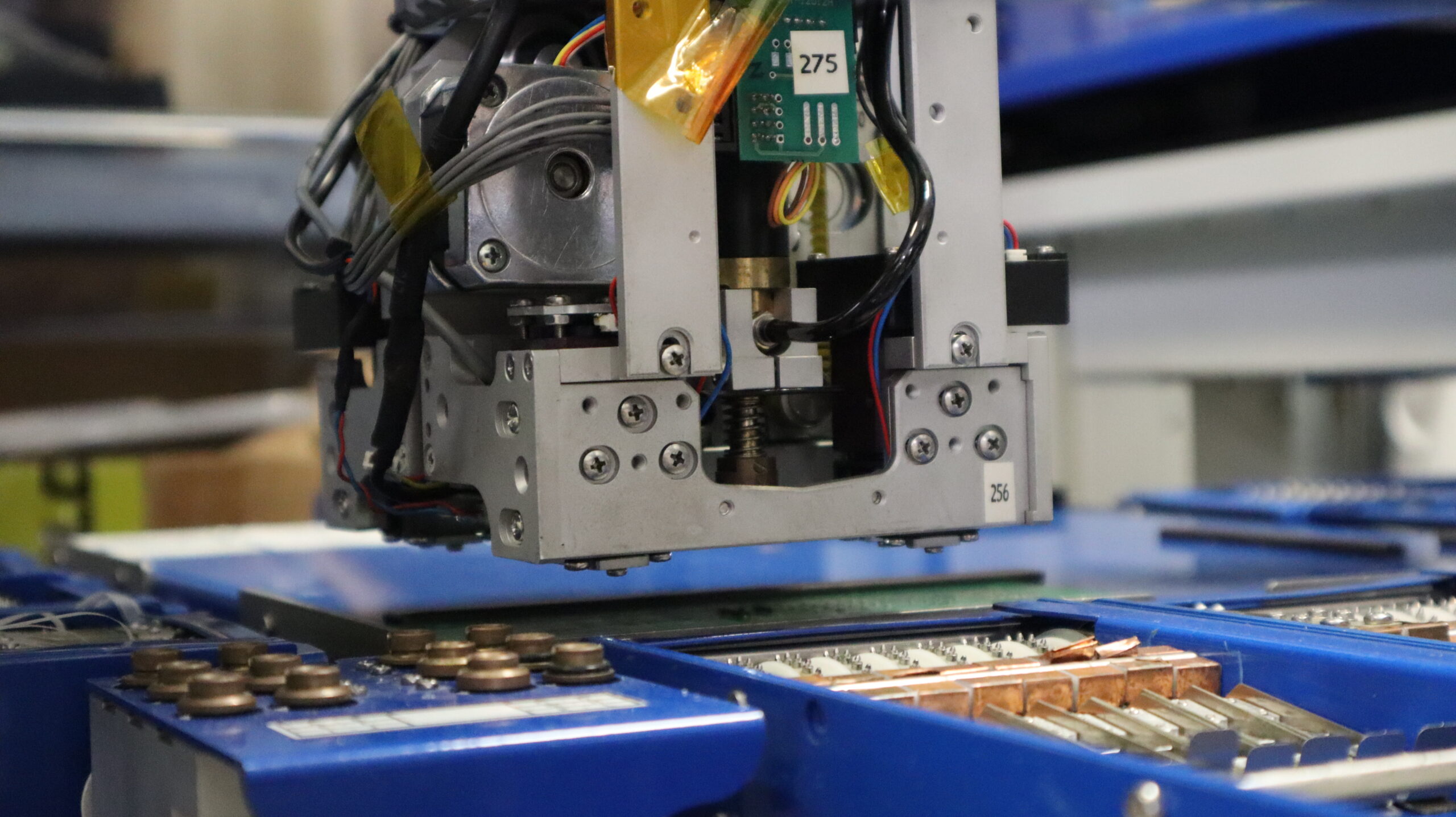
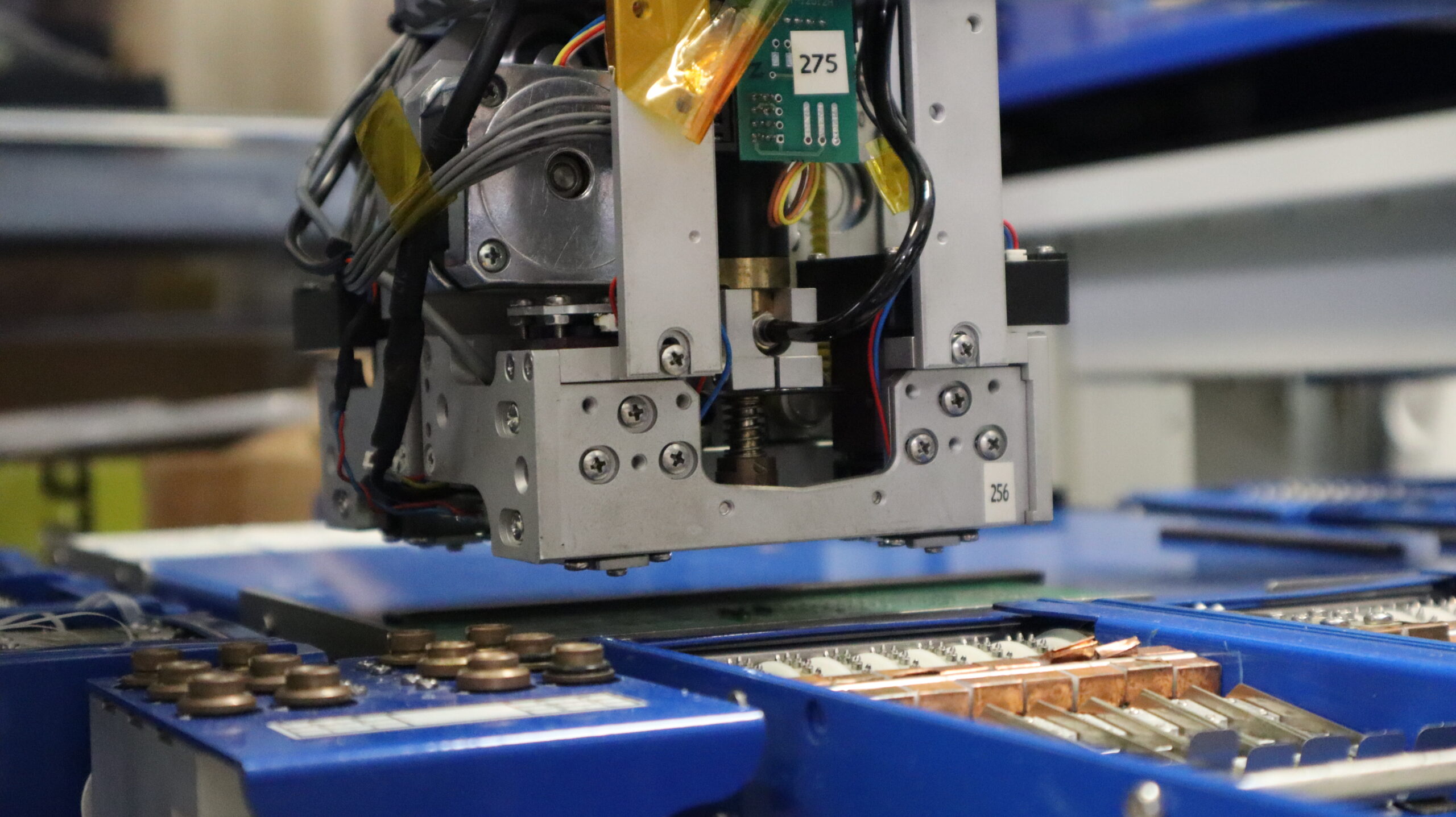
To ensure the economic viability of this new material, consisting of flame-retarded PLA and flax-textiles as reinforcement, the project strategy excludes any radical transformation of factory infrastructure. As Guido Scarpa, CTO of ALBA PCB, points out: “not all our providers in the manufacturing chain can afford to invest time and money to develop new processes for new materials.” Indeed, heavily modifying machinery or chemical processes would represent an unsustainable cost for manufacturers. The bio-composite must therefore be compatible with standard industry processes: copper lamination, subtractive etching, and traditional assembly technologies. As Attila Géczy explains, the original goal of the concept is “to adhere to all the processes”, to enable smooth production through parameter adjustments on current manufacturing lines.
.
The Technical Challenge of manufacturing reliable bio-sourced PCBs
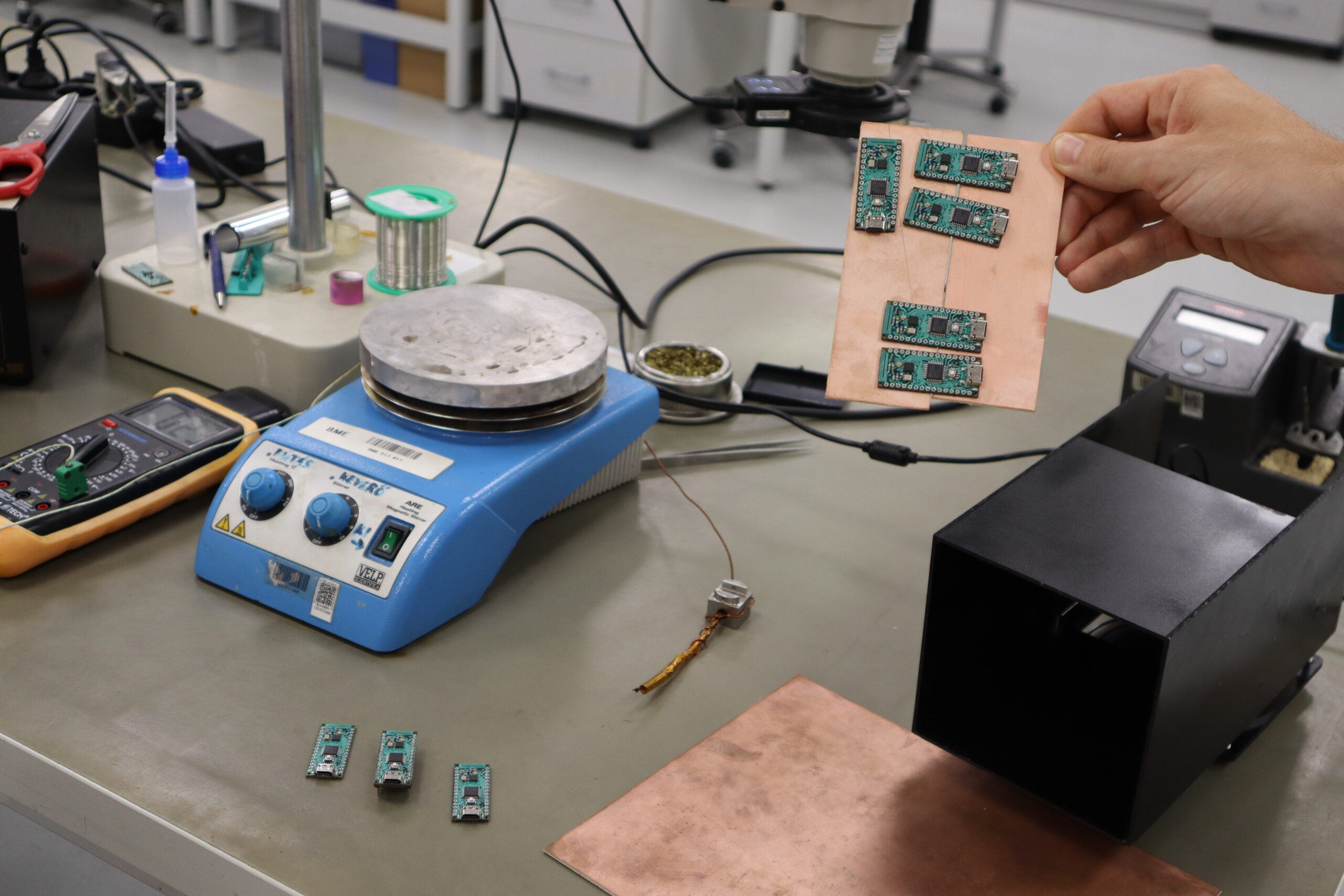
This implies many challenges on the technical side and this is precisely the objectives of the in DESIRE4EU Work Package dedicated to “Materials and assembly technologies, led by BME and including ALBA PCB and Meshining.
For example, switching to natural fibers alters the mechanical behaviour of the substrate, particularly during drilling where the flexibility of plant fibers can create irregularities. “Imagine that you are drilling in a t-shirt, it’s totally different, because the shirt is soft. Then the drilling machine is not able to cut and to produce in the correct way. The team explores technical solutions based on specific cutting parameters to preserve tool cleanliness. Similarly, resin impregnation and thermal balance during the soldering are undergoing rigorous optimization.
Beyond these technical adjustments, an important aspect to consider for market entry is the reliability of this new bio-sourced PCB.
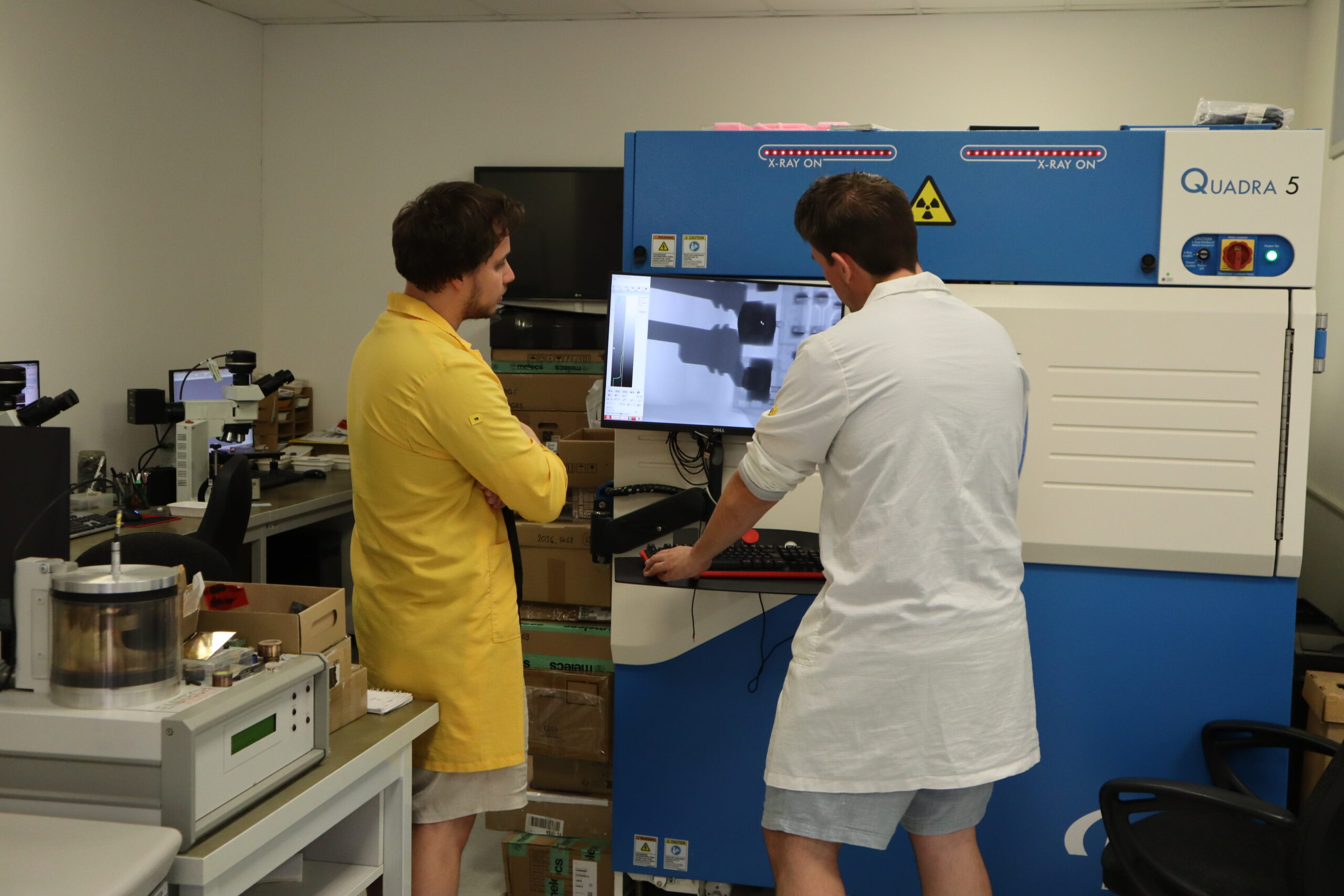
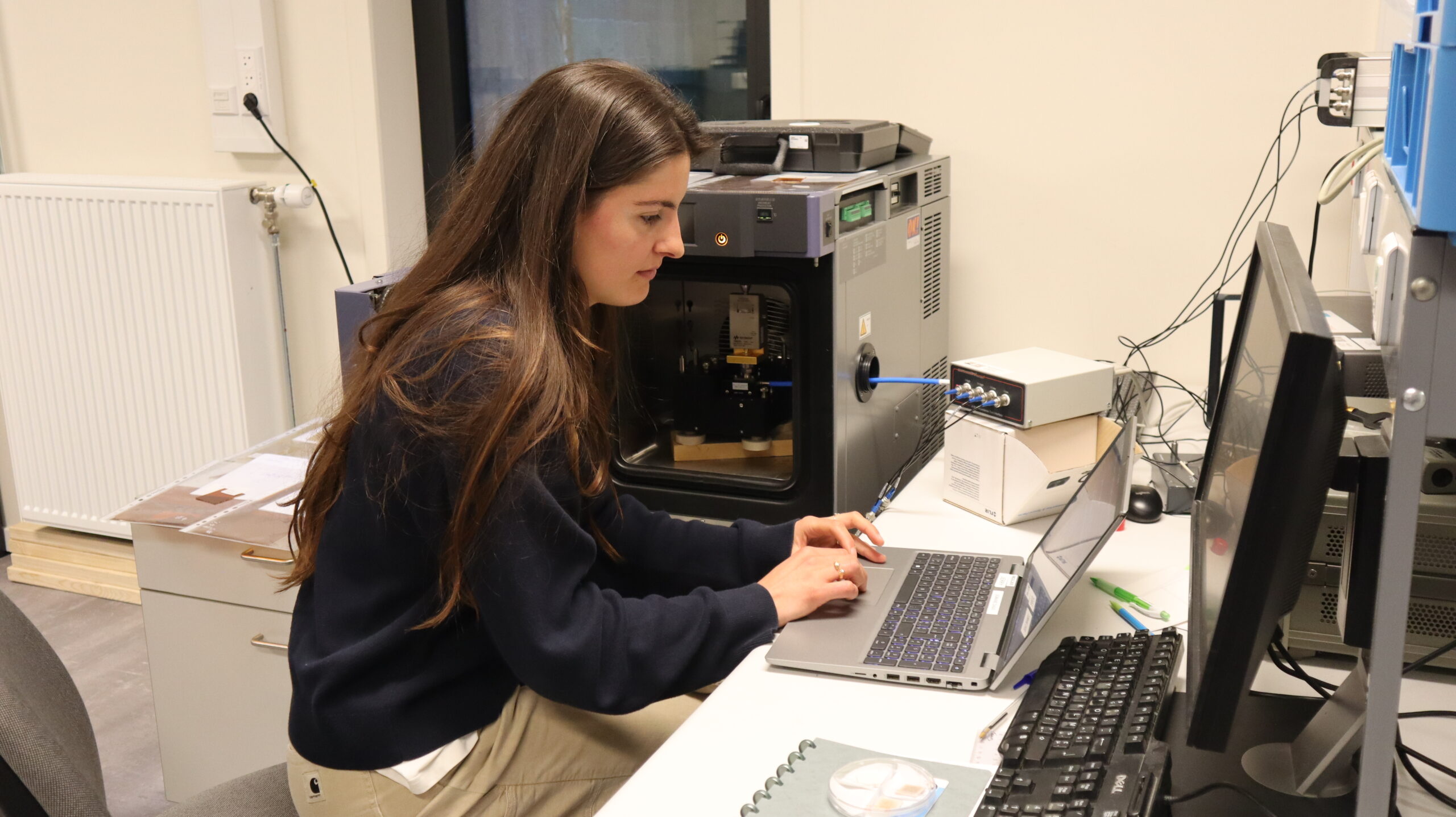
The evaluation of a new material for PCB relies on “IPC test methods”, an internationally recognized standard set to verify part reliability before commercialization. Guido Scarpa recalls the complexity of this step: Moving out from the FR4 means moving out of reliability reference. “Even for an everyday electronic object, brands refuse any failure risk, so we must assume a methodical and cautious characterization of the new composite” as he says.
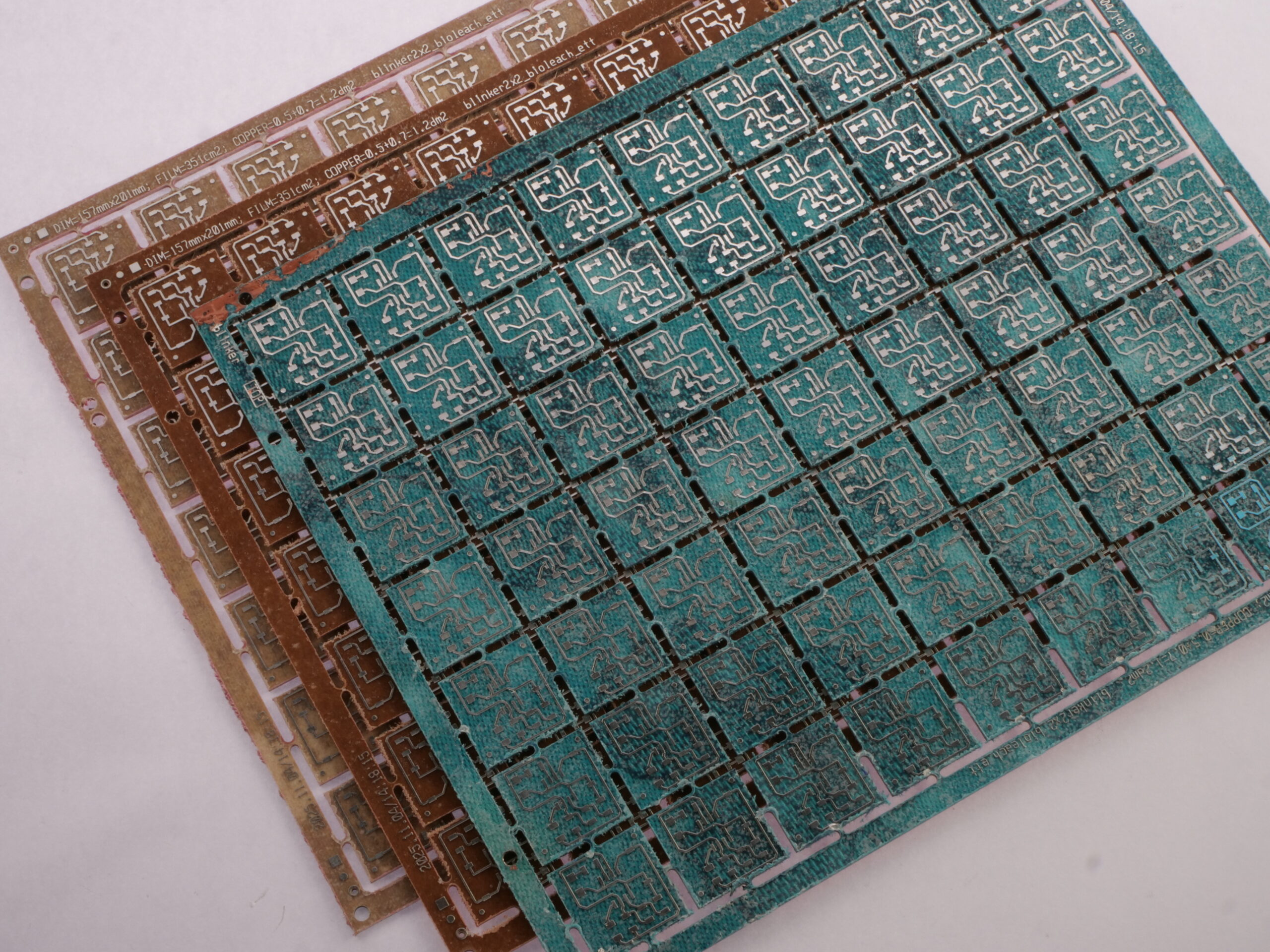
A very complicated issue, as FR4 benefits from extensive market experience, that DESIRE4EU takes as a reference to aim at the commercialization of our PCBs: “According to the IPC standards, we collected the requirements for the classical materials, and now we have a new table column, which is containing some of the new parameters for our new PCB. Most of the problem seems to be solvable, it’s just taking time and research to get closer to IPC standards”, affirms Attila Géczy.
.
When Academia and industry pave a new path together
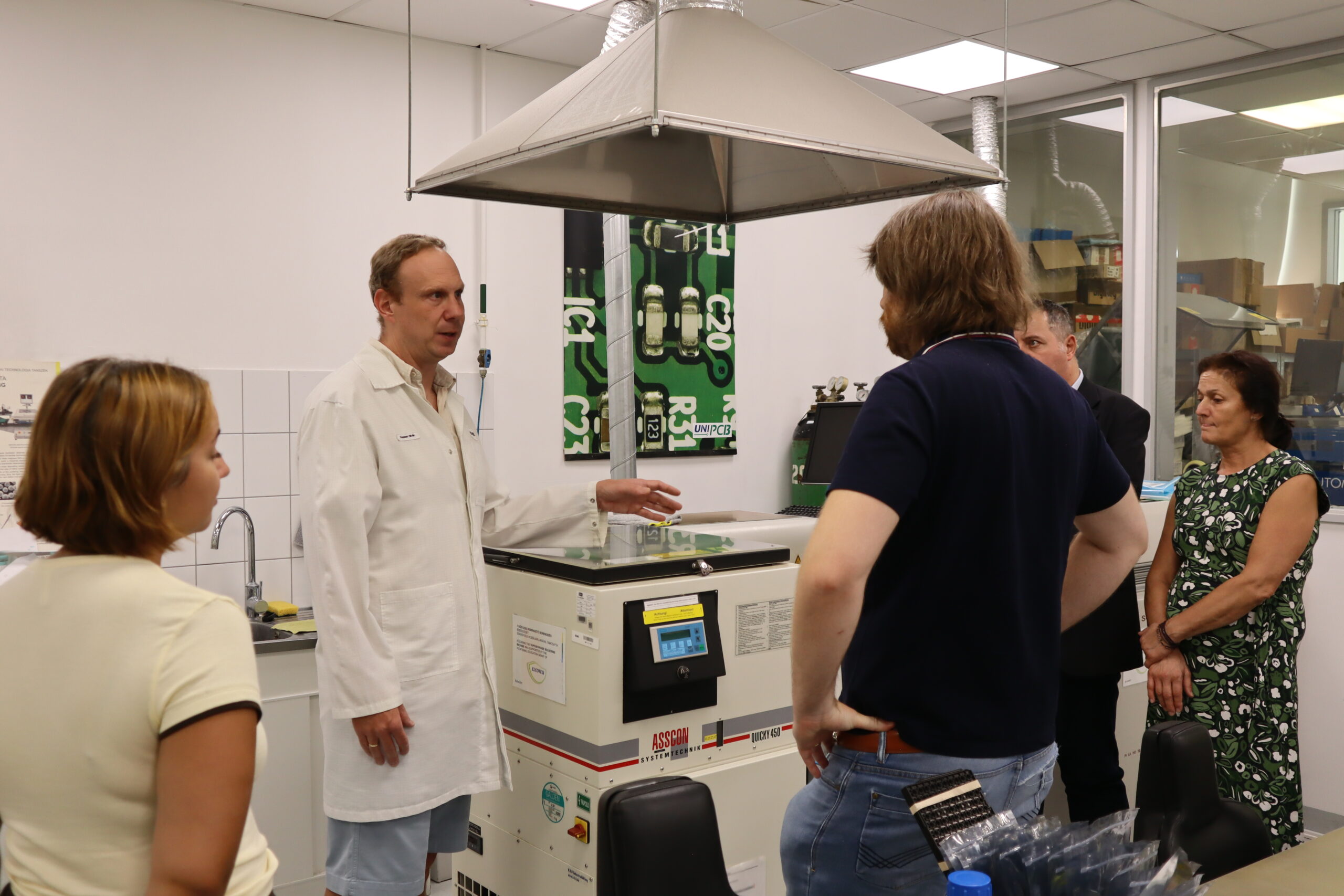
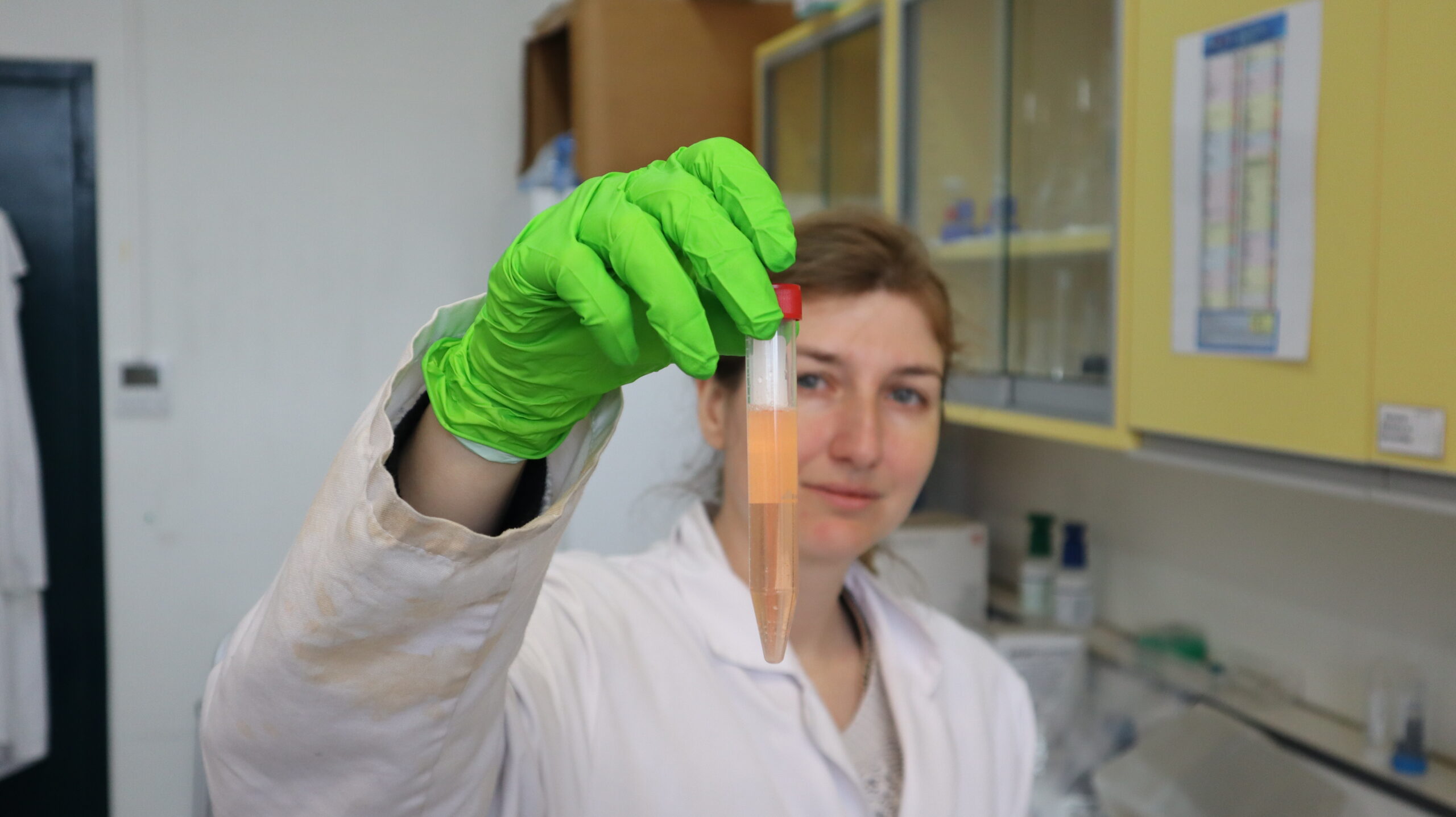
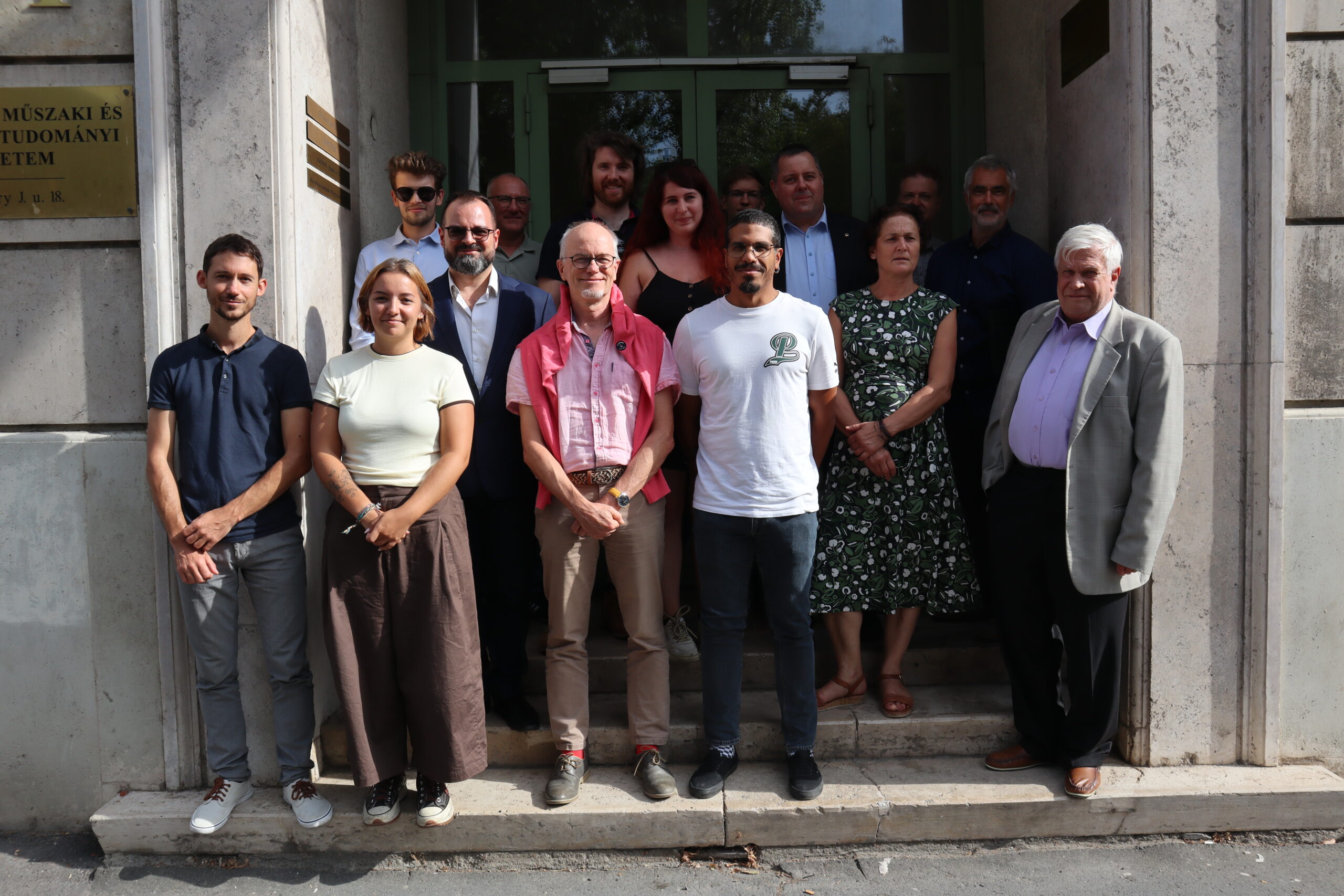
This is where the complementarity between academia and the industrial sector is very precious in the DESIRE4EU project. The Budapest University of Technology and Economics (BME) brings its laboratory analysis capabilities, while the manufacturer ALBA PCB infuses market reality and industrial knowledge. “Working with ALBA really is eye-opening for us. They immediately know what are the technical requirements from the market. While at the university, we can investigate technical details that ALBA cannot always afford to look at” sums up Attila Géczy.
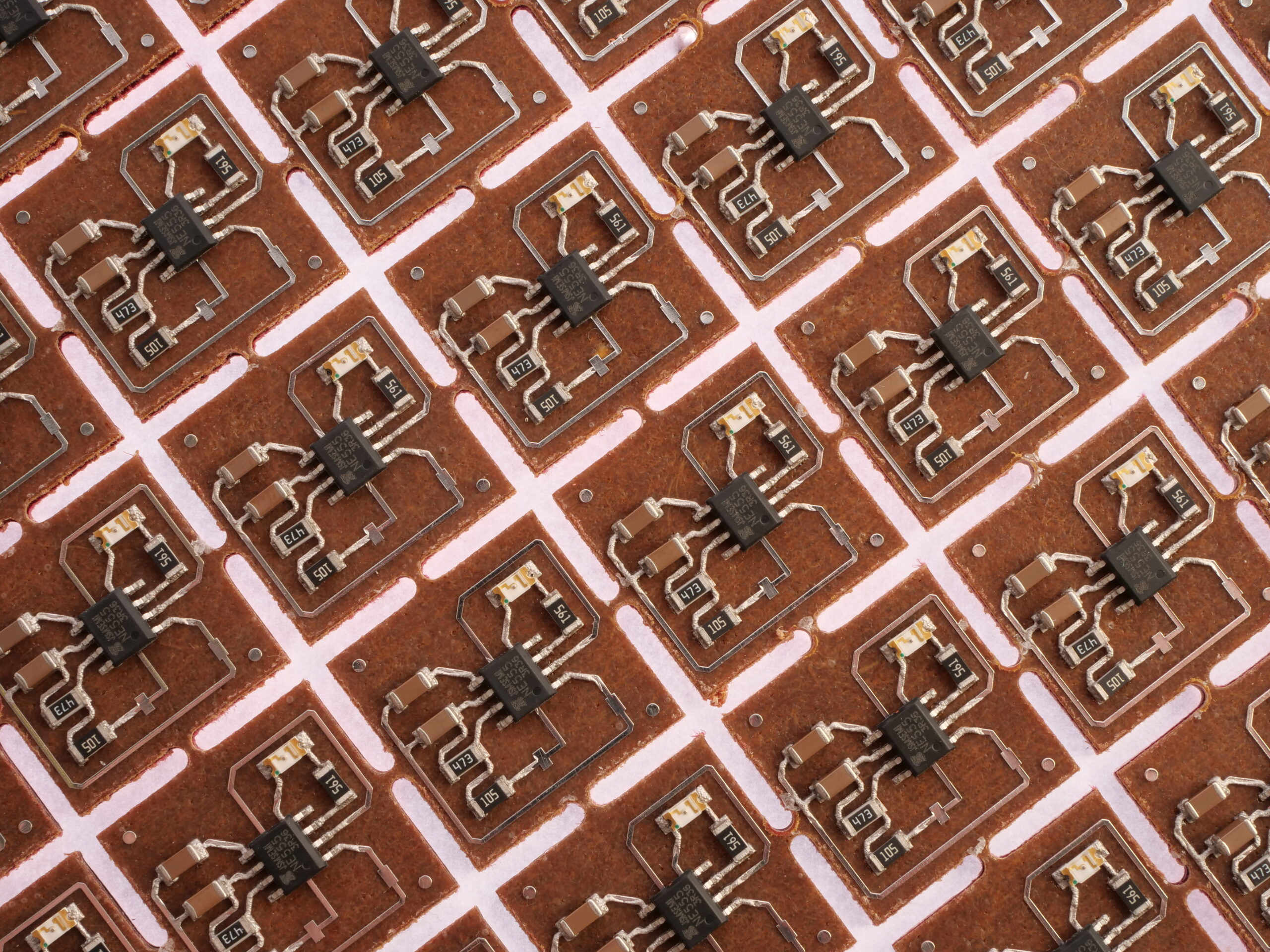
Now, the project roadmap plans the production of an initial test series of one thousand to two thousand pieces by the end of 2026. A realistic production to expect a good enough reliability of the PCBs. These prototypes will be used for real-world beta testing to validate the printed circuit board’s behaviour before considering a progressive transition toward mass production.
.
.
.